One of the first questions families ask after a stroke is also one of the hardest to answer precisely: how long will recovery take? There is no reliable single stroke recovery timeline. Recovery depends on the type of stroke, the area of the brain affected, the severity of the resulting symptoms, the person’s overall health and how soon rehabilitation begins.
A general stroke recovery timeline can still give families something useful to hold onto. It provides a sense of what different stages may involve without turning recovery into a countdown. Knowing what tends to happen early, what may take longer and where rehabilitation fits into each stage can make an otherwise uncertain period feel a little easier to navigate.
Recovery Is a Process, Not an Event
Stroke recovery develops gradually across physical, cognitive, emotional and functional areas, often with several of them being worked on at once. One part of this process involves neuroplasticity, the brain’s ability to reorganise and adapt following injury. Rehabilitation uses repeated practice of movements, communication and everyday tasks to help the brain build and strengthen new ways of carrying out those functions.
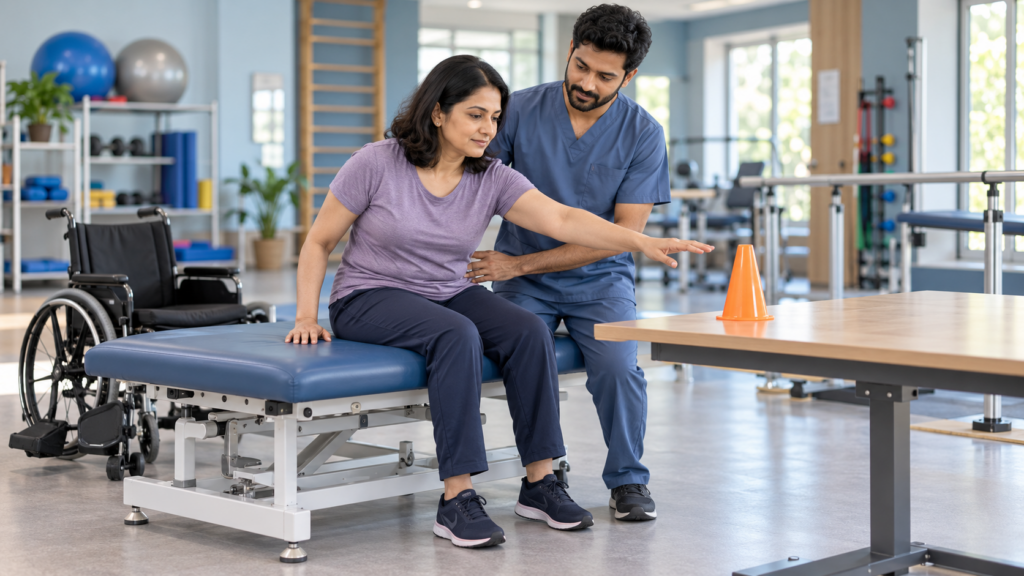
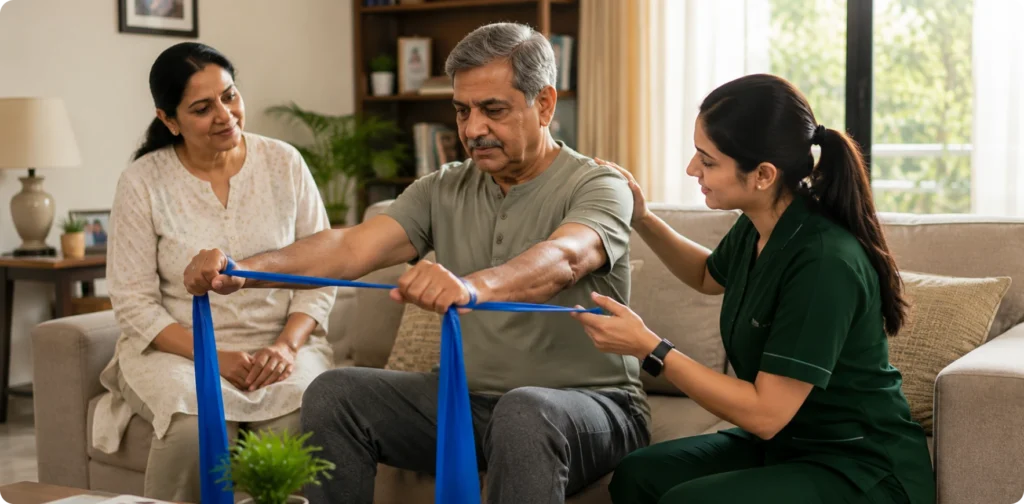
A post-stroke rehabilitation programme may involve physiotherapy after stroke for strength, balance and mobility, occupational therapy after stroke for daily independence, speech therapy for communication and swallowing, and cognitive rehabilitation for memory and attention. The purpose is broader than restoring one movement or skill. It is about helping the person regain as much function, independence and involvement in everyday life as their recovery allows.
The First Few Days: Stabilization and Assessment
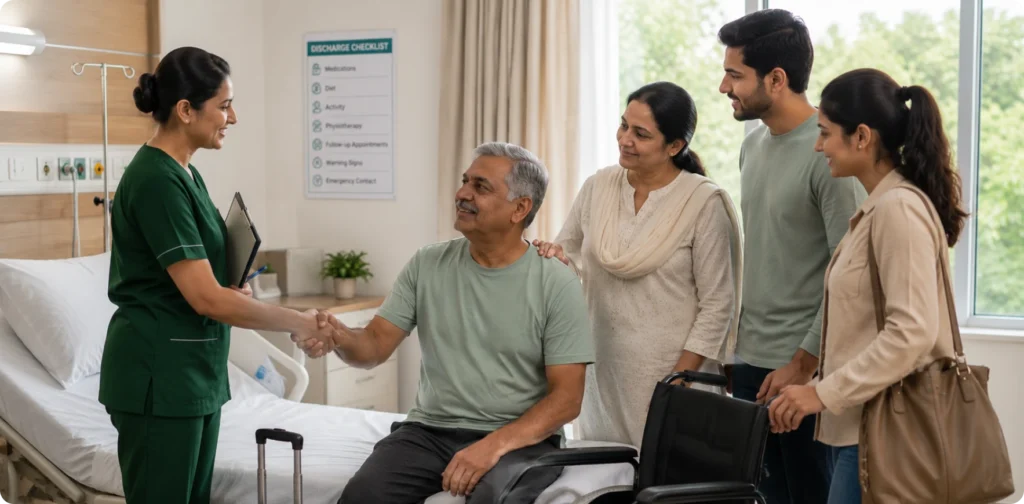
In the immediate period after a stroke, medical stabilisation comes first, alongside an early assessment of movement, speech, swallowing safety, cognition, balance and the ability to manage everyday activities. That initial assessment gives the rehabilitation team a clearer picture of what has been affected and what needs attention. Once the patient is medically stable and therapy is considered appropriate, rehabilitation can begin focusing on the movements and activities most relevant to their condition.
The First Few Weeks: Where Rehabilitation Really Begins
The first few weeks can bring noticeable changes as the brain and body begin adapting to the effects of the stroke. Physiotherapy may focus on muscle strength, sitting and standing balance, walking and safe movement patterns, with repeated practice particularly important for patients experiencing weakness on one side. Occupational therapy works alongside this on dressing, eating, personal care and other tasks involved in independent living. Where speech or swallowing has been affected, speech therapy addresses communication, language and swallowing during the same period.
One to Three Months: Building Toward Independence
As early recovery develops, stroke rehabilitation often shifts towards improving independence and restoring more of the activities that make up everyday life. That may involve building walking endurance, refining arm and hand function, improving balance and developing strategies for ongoing cognitive difficulties. The rate of progress can vary considerably. Some patients make substantial gains during this stage, while others require a longer period of rehabilitation. Regular therapy, practice between sessions and meaningful support from family and caregivers all contribute to the process.
Three Months and Beyond: Recovery Continues
Three months is not a finish line for stroke rehabilitation. Many people continue making progress beyond this point, with longer-term rehabilitation focused on maintaining mobility, reducing fall risk, managing persistent symptoms and returning gradually to hobbies, routines and social activities that matter to them. Some patients continue with outpatient therapy over an extended period, while others move into more specialised programmes as their needs change.
What Actually Shapes the Timeline
Several factors influence how recovery develops. The severity of the stroke is an obvious one, particularly when movement, speech or cognition has been significantly affected. The location of the injury matters because different areas of the brain are responsible for different functions. The timing of rehabilitation, overall health, existing medical conditions and general fitness also play a role. Consistency matters too, including attendance at therapy, appropriate home exercises and practical support from caregivers between sessions.
Can Someone Walk Again After a Stroke?
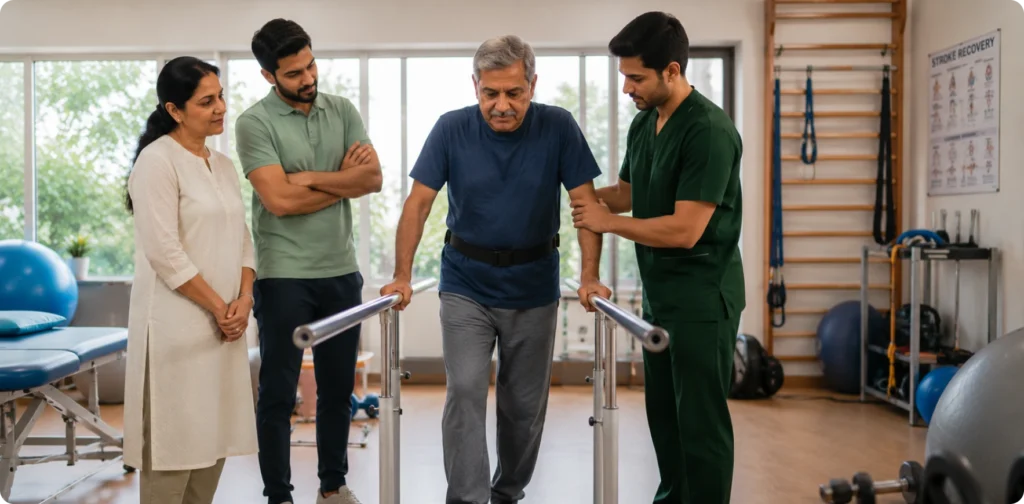
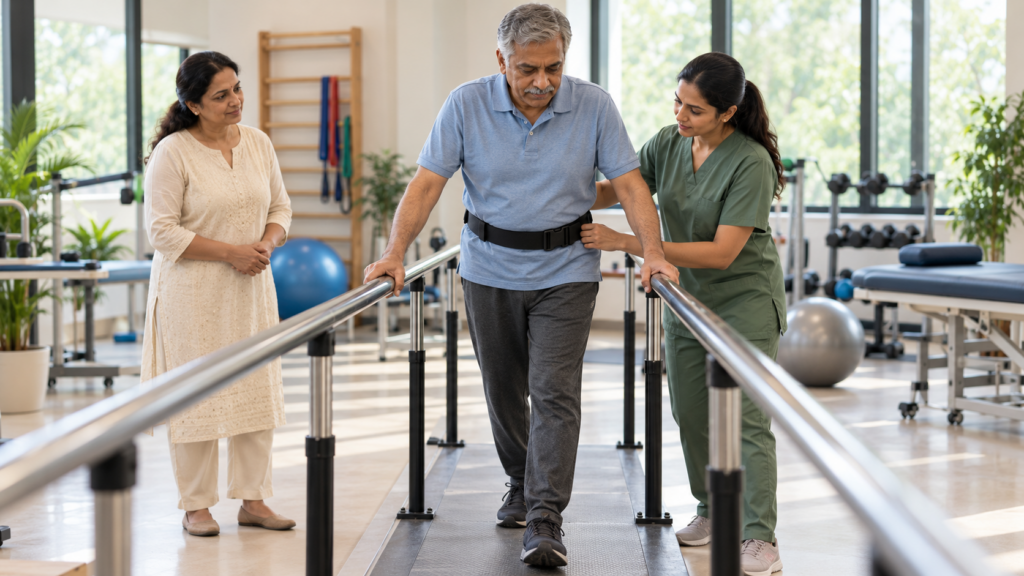
Many stroke patients improve their walking ability through structured rehabilitation, although the degree of improvement differs from person to person. Muscle strength, balance, coordination and the severity of the stroke all influence walking recovery, alongside regular participation in therapy. Physiotherapy may include gait training, balance practice and safe movement techniques, while some patients may also benefit from specialised equipment or technology-assisted rehabilitation.
Walking is only one possible measure of progress. For one person, recovery may mean returning to independent walking. For another, it may mean transferring safely, moving around the home with less assistance or becoming more stable on their feet. The most useful rehabilitation goal is the one that reflects what greater function and independence would actually mean for that individual.
How Speech Recovers After a Stroke
When a stroke affects the areas involved in language or communication, recovery may involve practising sounds and words, rebuilding language comprehension and developing alternative ways to communicate when needed. Swallowing problems may also require specific assessment and therapy when they occur alongside speech or language difficulties.
Speech recovery after stroke can take time, and the pattern of improvement depends on the nature and severity of the difficulty. Progress may happen gradually, sometimes in ways that are easier to notice over weeks or months than from one session to the next. Regular reassessment allows the rehabilitation team to adjust therapy as the person’s abilities develop.
A Practical Guide for Families
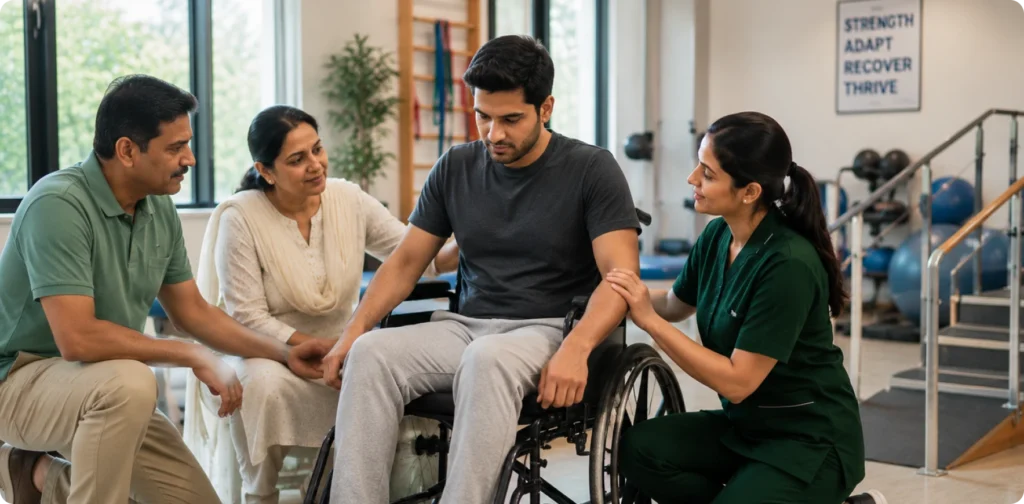
Families can play an important role in recovery, particularly as rehabilitation extends into daily life outside formal therapy sessions. Useful support can include helping the patient attend appointments consistently, making the home safer, encouraging appropriate practice between sessions and keeping track of changes that may help the rehabilitation team understand how recovery is progressing.
Stroke recovery rarely moves in a perfectly straight line. There may be periods of rapid improvement, slower stretches and occasional setbacks before progress picks up again. Keeping sight of that longer pattern helps families recognise meaningful changes without judging the entire recovery process by a single difficult day.
A stroke recovery timeline is best treated as a guide rather than a deadline. The course of recovery depends on the injury, the functions affected, the abilities that remain, the person’s overall health and the rehabilitation they receive. With personalised therapy, regular practice and sustained support from the people around them, many stroke survivors continue working towards greater mobility, communication and independence well beyond the earliest weeks of recovery.
Frequently Asked Questions
When should rehabilitation begin after a stroke?
Once the patient is medically stable and the healthcare team determines that therapy is appropriate. Rehabilitation can begin in the early stages and is adjusted according to the person’s condition.
How long does stroke rehabilitation take?
There is no fixed timeframe. Some patients need several weeks of rehabilitation, while others benefit from continued therapy over many months, depending on the stroke, their goals and their progress.
Can a stroke patient walk again with rehabilitation?
Many patients improve their walking ability through physiotherapy, gait training and repeated practice. The extent of recovery depends on factors such as stroke severity, strength, balance and coordination.
What therapies are typically included?
Rehabilitation may include physiotherapy, occupational therapy, speech and swallowing therapy, cognitive rehabilitation and support for daily independence, depending on the needs of the individual patient.
Can speech genuinely improve after a stroke?
Yes. Speech and communication can improve with dedicated therapy, although the extent and pace of improvement depend on the person’s specific difficulties and continued participation in rehabilitation.