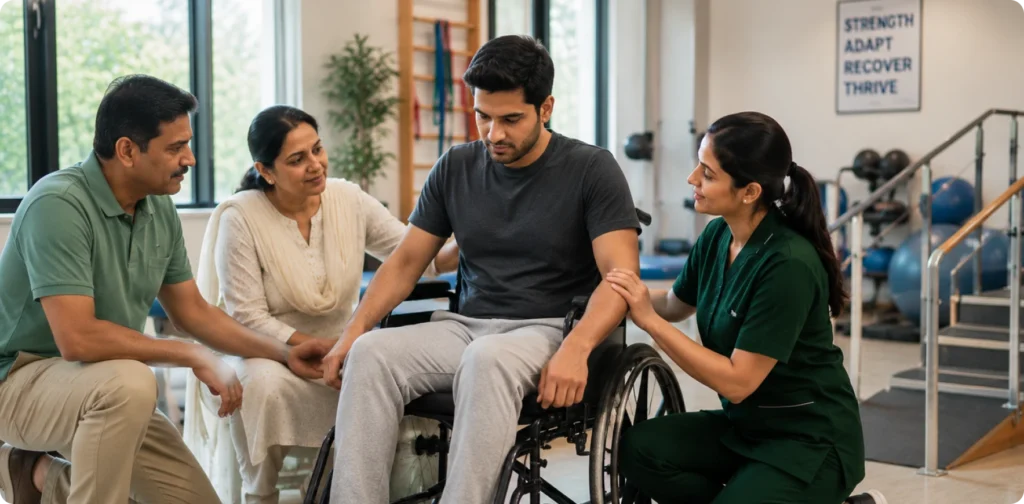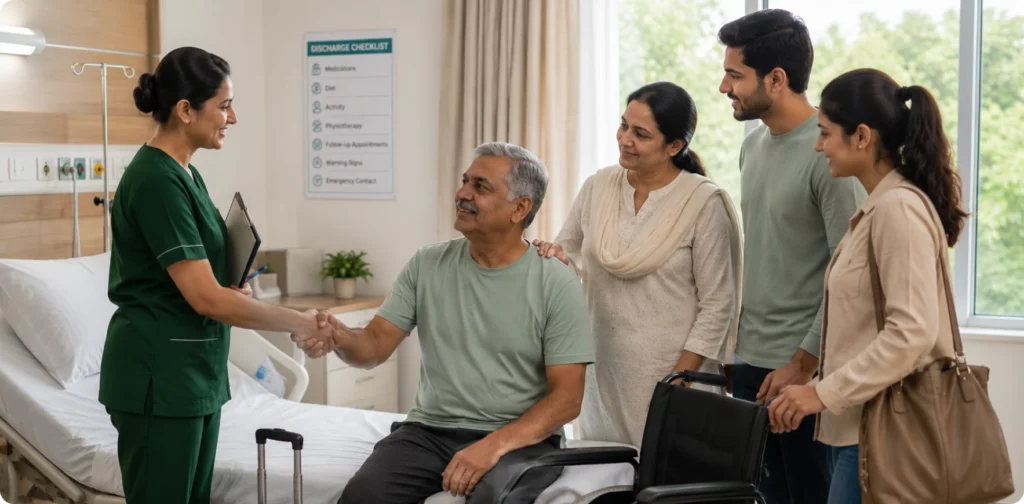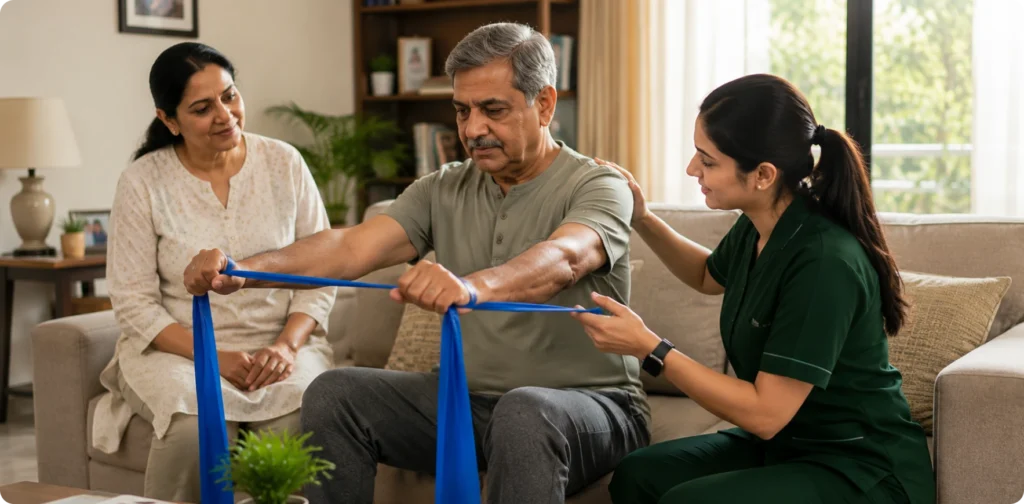
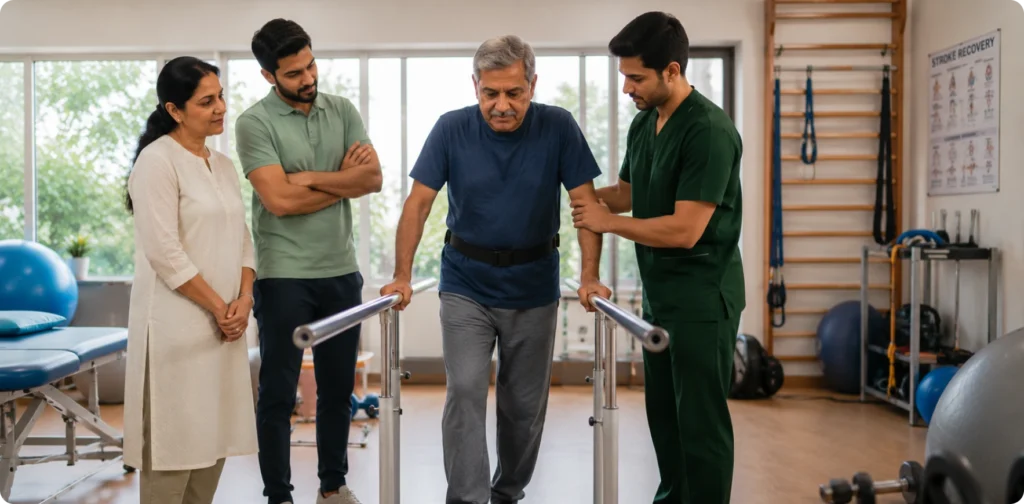
Recovering from a stroke is a journey that requires timely, structured, and specialized care. One of the most important decisions families face is selecting the right rehabilitation centre. The quality of rehab can directly impact how well and how quickly a person regains independence.
This guide will help you understand what to look for when choosing a rehabilitation centre after a stroke.
Why Rehabilitation After Stroke is Crucial
A stroke can affect movement, speech, memory, and daily functioning. Rehabilitation helps the brain relearn lost skills and adapt through neuroplasticity.
Key Goals of Stroke Rehabilitation
- Restore mobility and strength
- Improve speech and communication
- Regain independence in daily activities
- Prevent complications and secondary issues
Early and consistent rehabilitation significantly improves outcomes.
Types of Rehabilitation Centres
Understanding your options can help you choose better.
1. Inpatient Rehabilitation Centres
- Patients stay at the facility full-time
- Ideal for moderate to severe strokes
- Intensive, structured therapy programs
2. Outpatient Rehabilitation Centres
- Patients visit for scheduled therapy sessions
- Suitable for mild to moderate cases
- Allows recovery while staying at home
3. Specialized Neuro-Rehabilitation Centres
- Focus specifically on neurological conditions like stroke
- Offer advanced therapies and trained specialists
Key Factors to Consider
1. Multidisciplinary Team
A good rehab centre should have a team-based approach, including:
- Physiotherapists
- Occupational therapists
- Speech therapists
- Neurologists or rehabilitation physicians
This ensures holistic recovery.
2. Availability of Therapies
Stroke recovery is not just physical.
Look for centres offering:
- Physiotherapy (mobility, balance, strength)
- Occupational therapy (daily living skills)
- Speech and language therapy
- Cognitive and psychological support
3. Infrastructure and Equipment
Modern equipment can accelerate recovery.
Check for:
- Gait training systems and parallel bars
- Balance and coordination tools
- Electrotherapy and assistive devices
- Functional training setups
4. Individualized Treatment Plans
Every stroke is different.
Ensure the centre:
- Conducts a detailed assessment
- Creates a personalized recovery plan
- Tracks and updates progress regularly
Avoid one-size-fits-all programs.
5. Therapist-to-Patient Ratio
Attention matters.
- Lower ratios mean more personalized care
- Ask how many patients each therapist handles per session
6. Location and Accessibility
Recovery requires consistency.
- Choose a centre that is easy to travel to
- Consider transport options and distance
- For severe cases, inpatient rehab may be more practical
7. Family Involvement
Family plays a key role in recovery.
Look for centres that:
- Educate caregivers
- Involve family in therapy sessions
- Provide home-care guidance
8. Cost and Insurance
Rehabilitation can be long-term.
- Understand pricing (per session vs package)
- Check insurance coverage
- Ask about duration and expected costs upfront
Questions to Ask Before Choosing
- What is the experience of your stroke rehabilitation team?
- How many therapy hours are provided daily/weekly?
- Do you offer customized rehab plans?
- How is progress measured?
- Can family members be trained for home care?
Red Flags to Watch Out For
- Lack of qualified or certified therapists
- No clear treatment plan or progress tracking
- Overcrowded sessions with minimal attention
- Limited therapy options
- Poor hygiene or outdated equipment
Can You Combine Rehab Centre and Home Care?
Yes—and it’s often the most effective approach.
- Start with intensive rehab at a centre
- Continue with home-based therapy for long-term recovery
This ensures both structured progress and sustained improvement.
Final Thoughts
Choosing the right rehabilitation centre after a stroke can make a significant difference in recovery outcomes. Focus on:
- Qualified multidisciplinary care
- Personalized treatment plans
- Proper infrastructure and equipment
- Accessibility and consistency
Recovery takes time, patience, and the right support system—but with the right rehabilitation centre, meaningful progress is absolutely achievable.
FAQs
Families should look for a genuinely multidisciplinary team of physiotherapists, occupational therapists, speech therapists and doctors, modern equipment such as gait training systems and balance tools, and a centre that builds individualised assessments and care plans rather than applying the same programme to every patient. Good therapist-to-patient ratios, an accessible location, and active involvement and training of family caregivers are also important markers of quality care.
Useful questions include what qualifications the therapy team holds, how many hours of therapy are provided each day or week, whether the rehabilitation plan is customised for each patient, how progress is measured and communicated, and whether family members can receive caregiver training. Visiting in person and observing a therapy session can also reveal a lot about a centre’s approach.
Therapy intensity, meaning the number of hours of physiotherapy, occupational therapy and other treatment a patient receives each day or week, is one of the strongest factors influencing the pace and extent of recovery, particularly after stroke. When comparing centres, it is worth asking specifically how many hours of hands-on therapy are provided, not just what services are listed, since low therapist-to-patient ratios usually mean less individual attention.
Ideally, yes, having a doctor on site or readily on call, particularly overnight, matters because stroke patients can have ongoing medical needs alongside their rehabilitation. It’s one of several markers worth checking, alongside therapist qualifications, therapy hours, family involvement, and how transparently a centre discusses expected outcomes and limitations, rather than relying on any single feature in isolation.
Advertised success rates should be treated with some caution, since recovery outcomes depend heavily on each patient’s individual condition, and there is rarely a consistent, independently verified way such figures are measured across centres. It is more useful to ask about the qualifications of the team, the therapy hours provided, how progress is tracked for each patient, and to request an honest, individualised view of what recovery might look like for your specific case.
It can be worthwhile if the specialist centre offers a more experienced multidisciplinary team, better equipment, or significantly more intensive therapy than what is available locally, since these factors strongly influence recovery. That said, consistency of attendance matters too, so families should weigh the potential clinical benefit of a specialist centre against the practical impact of travel time and disruption for the patient and caregivers.