Neurological rehabilitation, built around your recovery.

A structured, clinician-led approach to rebuilding movement, communication and independence after neurological conditions.
Who neurological rehabilitation is for

Every recovery looks different. We support people living with neurological conditions at different stages of their journey.

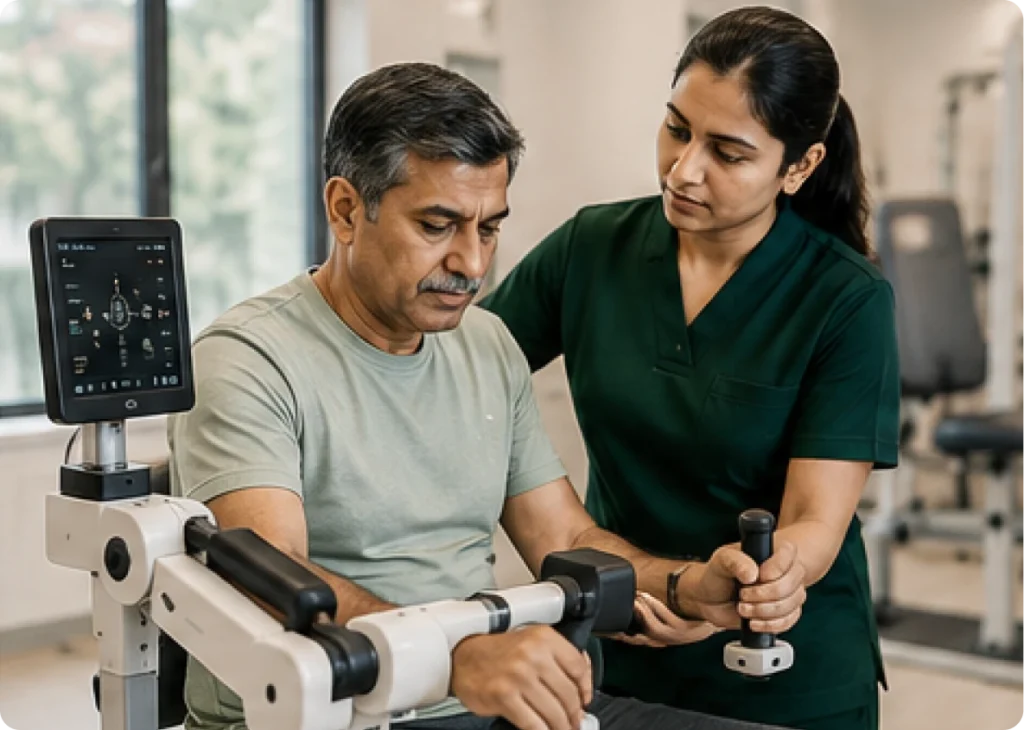
Post stroke / paralysis

For stroke recovery, including weakness or paralysis on one side.
Post spinal cord injuries

For those rebuilding movement, strength, and independence after spinal cord injury.
Post brain and spinal surgeries

For those recovering from brain or spinal surgery, rebuilding daily abilities.
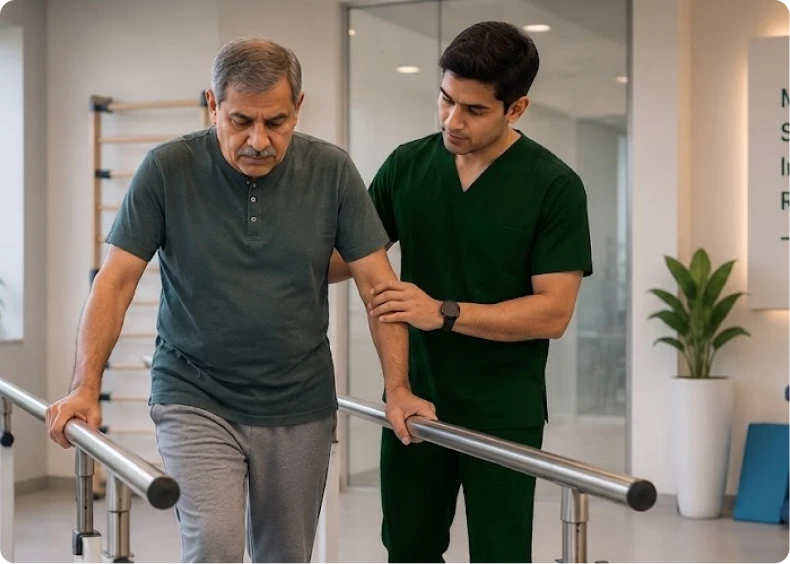
Parkinsonism and Movement Disorders

People living with Parkinsonism and other movement disorders.
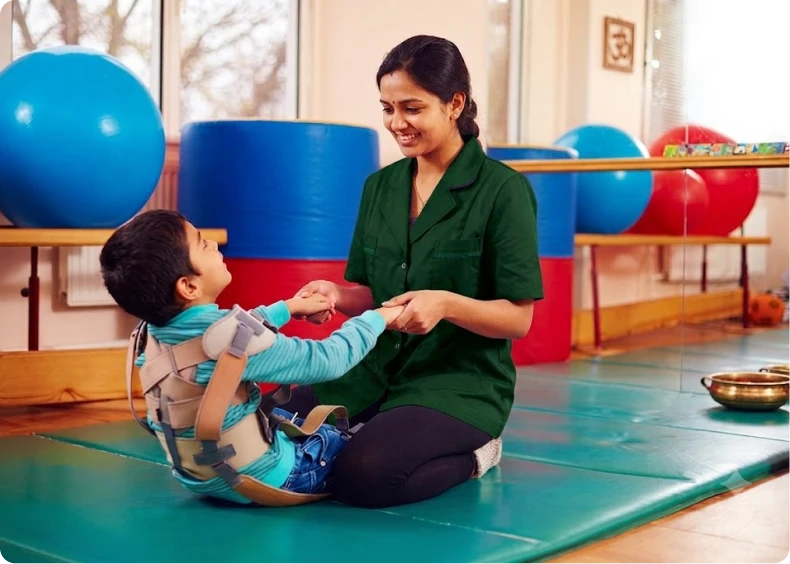
Cerebral Palsy / Delayed Milestones

Children with cerebral palsy or delayed milestones.

Post brain and spinal surgeries

For those recovering from brain or spinal surgery, rebuilding daily abilities.

What your care involves

Your care combines clinical expertise, therapy and ongoing support, all working towards the abilities and independence you want to rebuild.

Detailed Assessment

A detailed assessment of movement, strength, balance, speech and daily function.

Physiotherapy

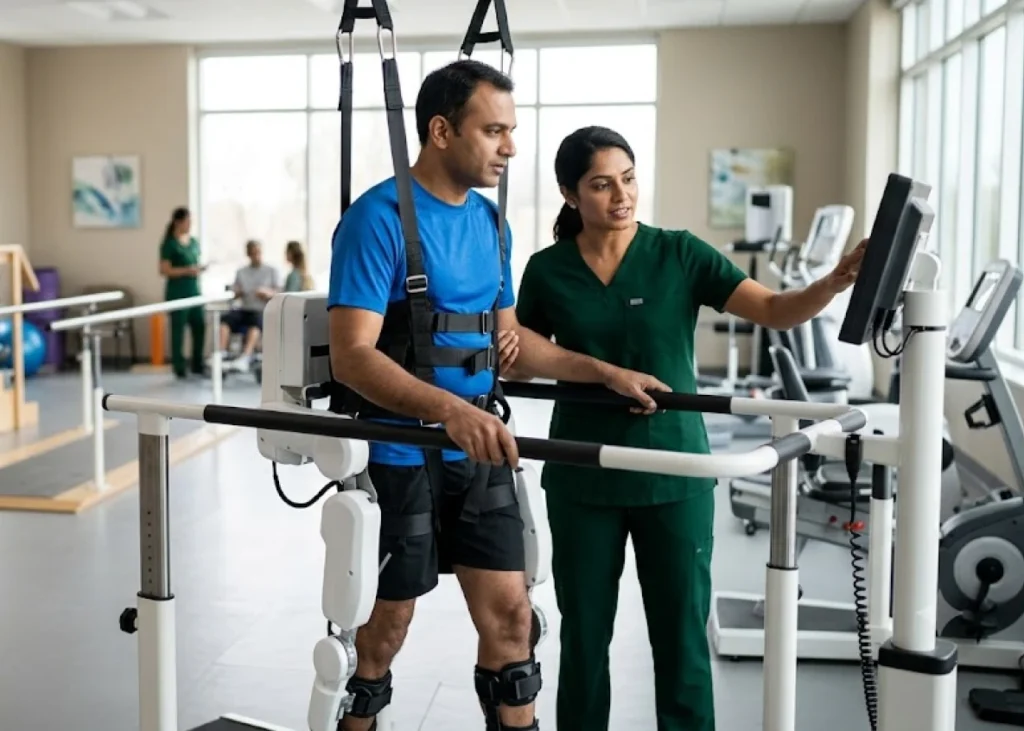
Physiotherapy to rebuild strength, balance and walking.

Occupational Therapy

Occupational therapy for daily tasks, hand function and independence.

Speech Therapy

Speech therapy where speech, communication or swallowing is affected.

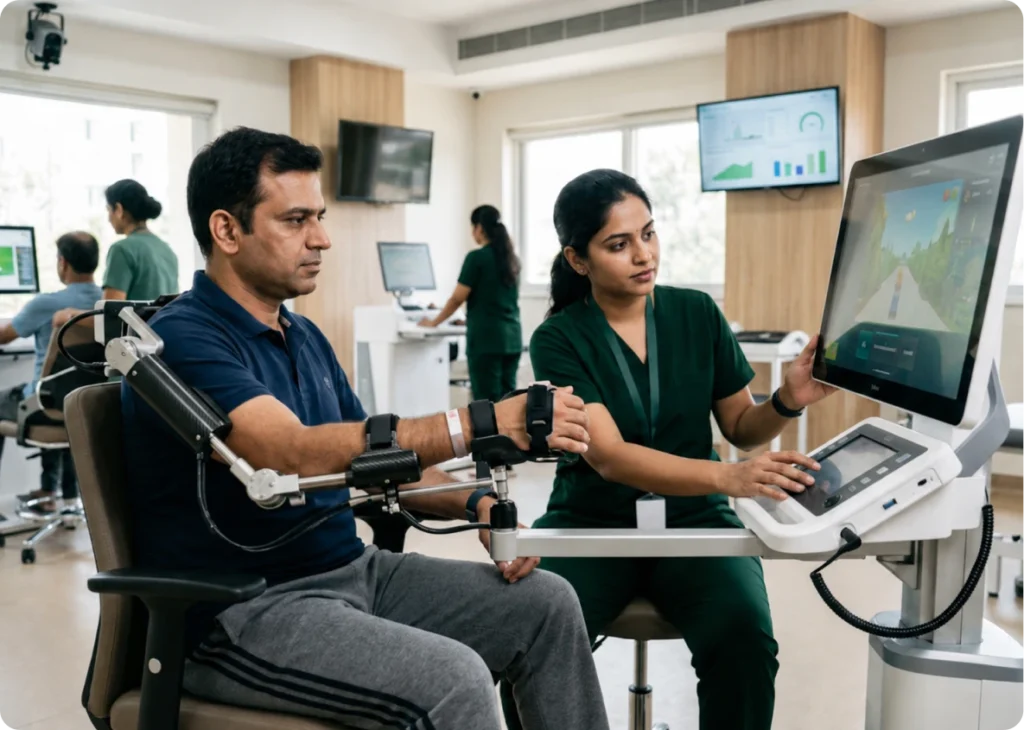
Robotic & Technology-Assisted Therapy

Robotic and technology-assisted therapy where it adds value.

Nursing & Medical Care

Nursing and medical care alongside therapy for those staying with us.

HOW WE WORK

Your plan is led and reviewed by senior clinicians, and your therapists, nurses and doctors work to the same plan rather than in separate departments. We review progress regularly and change the plan as you change.

Helpful Answers for Patients and Families

What is neurological rehabilitation and who is it for?
Neurological rehabilitation is a structured programme of physiotherapy, occupational therapy, speech therapy and nursing care aimed at helping people recover movement, strength, communication and daily function after a condition affecting the brain, spinal cord or nervous system. At Dexterity it supports patients recovering from stroke or paralysis, spinal cord injury, brain or spinal surgery, Parkinsonism and movement disorders, and cerebral palsy or delayed developmental milestones.
Neuroplasticity is the brain’s ability to reorganise itself and form new neural connections in response to repeated, meaningful activity. Structured, repetitive therapy such as gait training, task-specific practice and targeted exercises encourages undamaged areas of the brain to take over functions that were lost after injury. This is why consistent, guided rehabilitation, rather than rest alone, plays such an important part in recovery.
Robotic and technology-assisted gait training uses supportive equipment to help patients practise repetitive, precisely controlled walking patterns that are difficult to achieve with manual assistance alone. At Dexterity, this is used selectively where it adds genuine value, particularly for patients recovering from stroke, spinal cord injury or other neurological conditions who need intensive, consistent practice to rebuild strength, balance and stepping patterns, always alongside hands-on therapy from the clinical team.
Neurological rehabilitation timelines vary considerably because they depend on the type and severity of the condition, overall health, and how the individual responds to therapy. Rather than a single fixed duration, the team starts with a detailed assessment of movement, strength, balance, speech and daily function, then reviews progress at regular intervals and gives an honest update on how the programme is tracking at each stage.
It’s rarely too late to benefit from rehabilitation, even months or years after a neurological injury such as a brain injury, spinal cord injury or nerve condition. Recovery tends to be fastest in the earlier period, but many patients continue to make meaningful gains in strength, mobility, communication or daily function well beyond that with focused, consistent therapy. A clinical assessment can clarify what realistic goals look like for your specific situation.
Spasticity is typically managed through a combination of regular stretching, positioning, targeted physiotherapy and strengthening of surrounding muscles, alongside splinting or bracing where appropriate. Depending on severity, this may be paired with input from doctors on medication or other medical interventions. At Dexterity this is coordinated by the therapy and nursing team as part of the wider rehabilitation plan.

What to expect

Recovery after a hospital stay takes time, and it differs a great deal from person to person. We will not promise a fixed result or a fixed timeline. We will give you a clear plan, skilled care and an honest view of progress at every stage.