
From joint replacements to fractures and ligament repairs, we help you move well again and get back to what you enjoy.
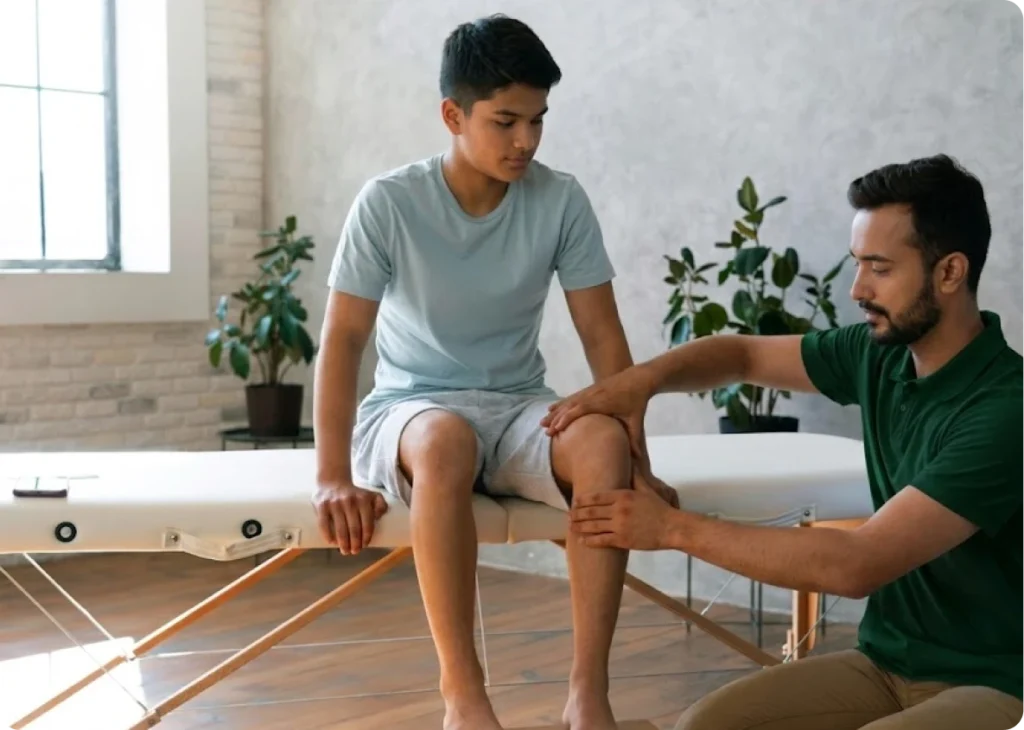
For those recovering after hip, knee or shoulder replacement.
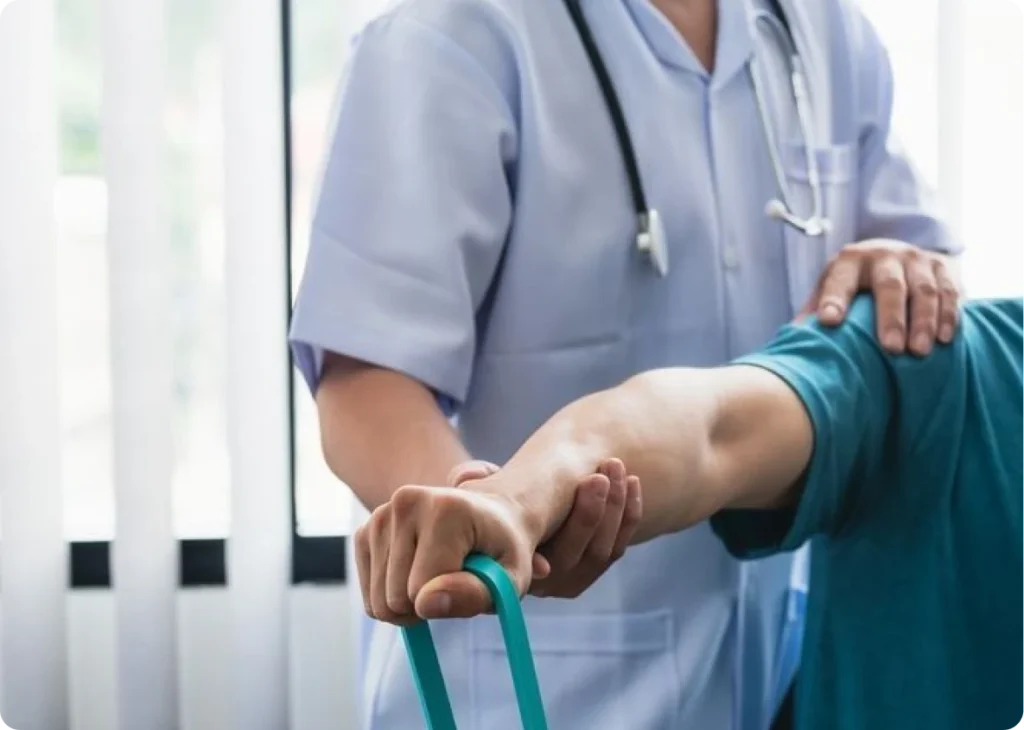
For rebuilding movement and strength after surgery for a fracture.
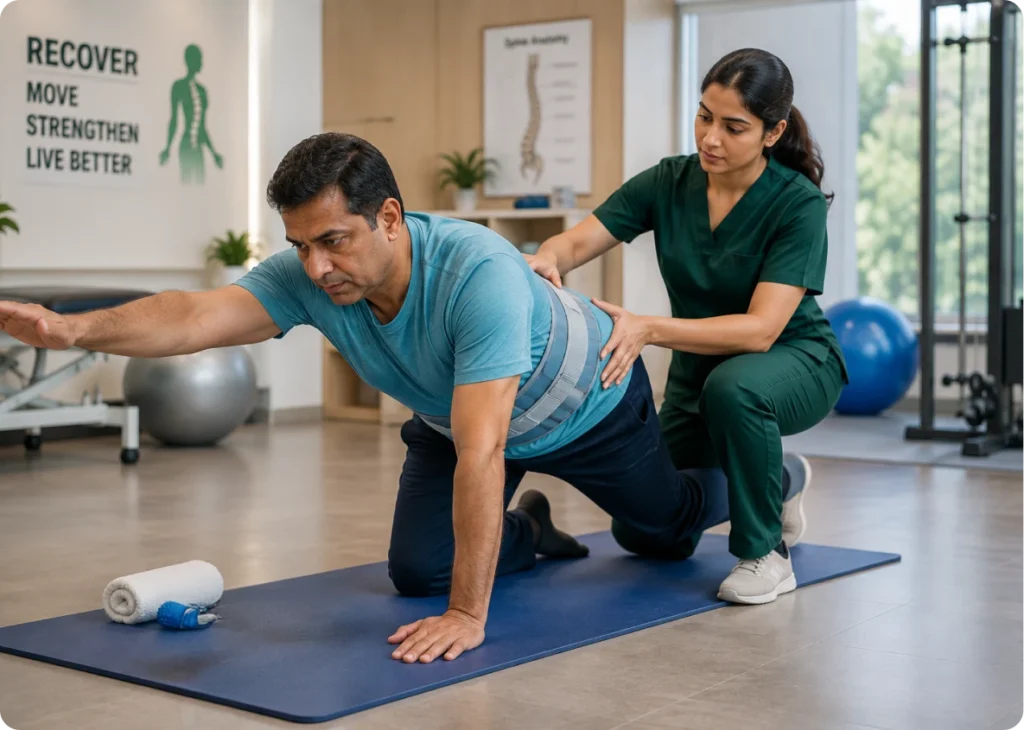
For safe movement and strength after orthopaedic spine surgery.
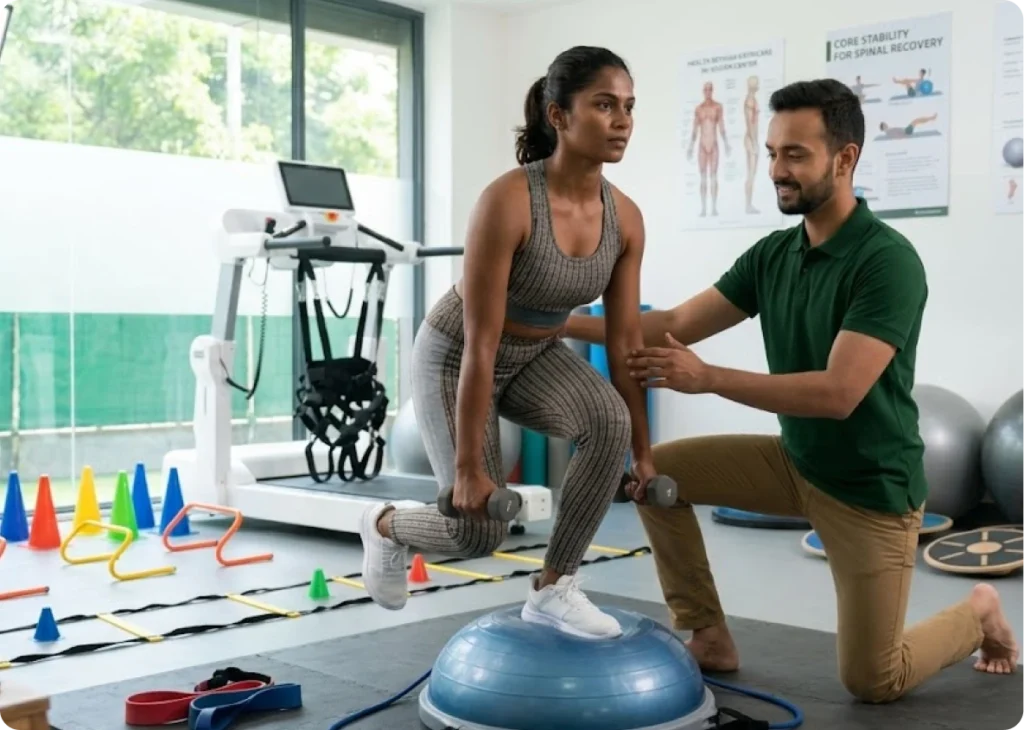
For returning to activity after ligament or joint surgery.
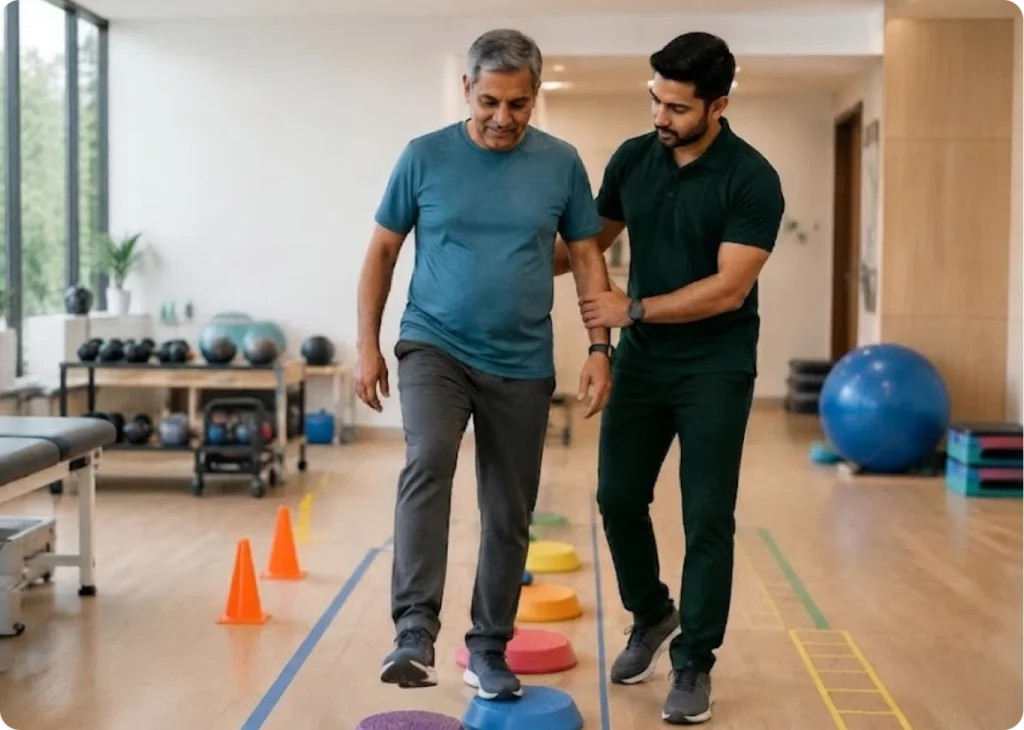
For rebuilding balance, weight-bearing and steady, confident walking.
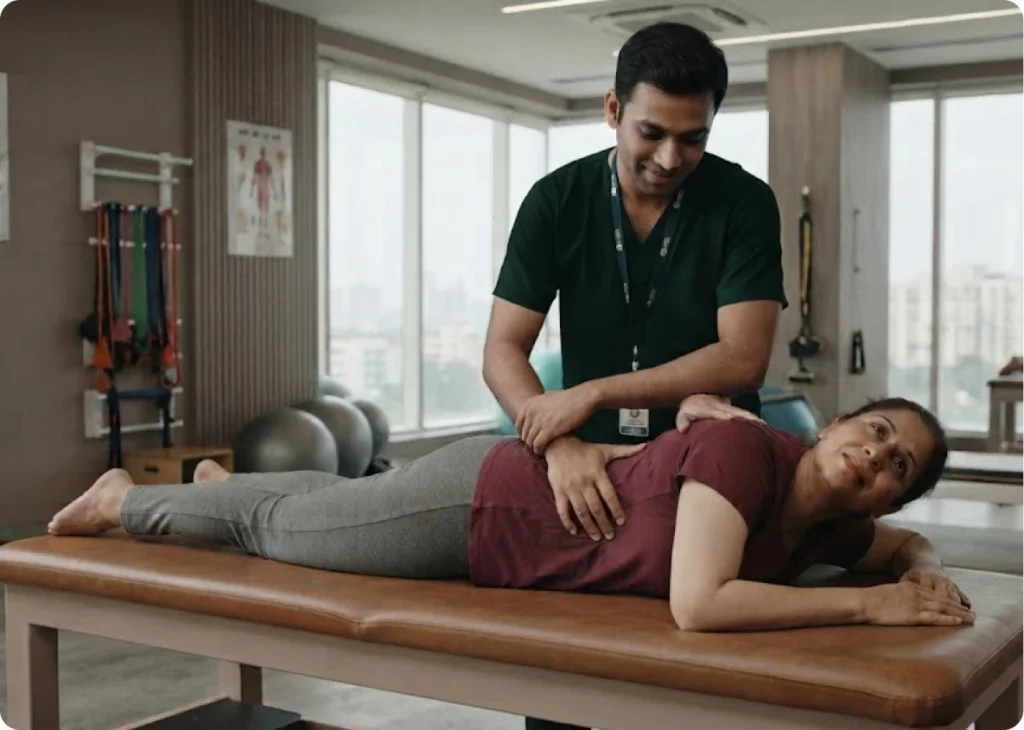
Rehabilitation for long-standing pain affecting joints, spine, and muscles.
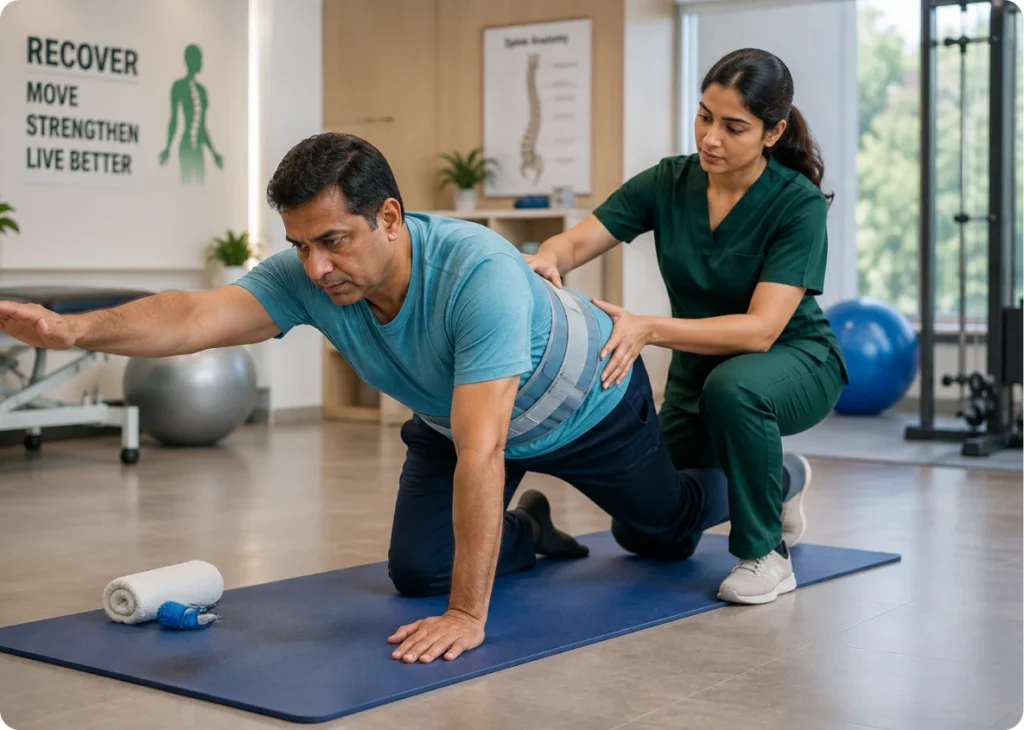
For safe movement and strength after orthopaedic spine surgery.
A full assessment of movement, strength, weight-bearing and daily function.
Retraining daily tasks and independence around the affected limb.
Guided, controlled loading that supports safe, steady healing in joints and muscles.
Physiotherapy to restore range of movement, strength and walking.
HOW WE WORK
Your plan is led and reviewed by senior clinicians, and your therapists, nurses and doctors work to the same plan rather than in separate departments. We review progress regularly and change the plan as you change.
Rehabilitation after a joint replacement typically begins very soon after surgery, often within a day or two, once the surgical team confirms the patient is medically stable. Early, gentle movement helps reduce stiffness, swelling and the risk of complications, and the exact timing should always be guided by the operating surgeon’s instructions.
Recovery after a hip replacement generally follows a gradual path: most patients begin standing and walking with support within the first few days, progress to walking with a cane or walker over several weeks, and continue building strength and range of motion over two to three months. Full recovery and return to normal activities can take anywhere from three to six months, depending on the individual.
Knee stiffness after surgery is usually addressed through a structured programme of guided stretching, range-of-motion exercises, manual therapy and gradually progressive strengthening, often supported by modalities like ice or heat. Consistent, supervised physiotherapy in the early weeks is important, since stiffness that is not actively treated can become harder to resolve later.
If a fracture is healing slowly or fails to unite, the treating orthopaedic surgeon will usually investigate the cause, such as inadequate blood supply, infection, or excessive movement at the fracture site, and may recommend further imaging, a change in immobilisation, or additional surgical intervention. Rehabilitation therapy alongside this medical management focuses on maintaining strength and function in the surrounding areas without stressing the healing bone.
The right time to start climbing stairs after orthopaedic surgery depends on the specific procedure, the strength and range of motion regained, and clearance from the surgeon and physiotherapist. Many patients can begin practising stairs with support once they can bear weight safely and have adequate control of the operated limb, usually guided step by step within a supervised therapy programme.
Warning signs specific to orthopaedic recovery include a joint that feels unstable or gives way, a marked loss of range of motion despite consistent therapy, or increasing difficulty bearing weight beyond what’s expected at this stage of healing. These, along with any signs of wound infection covered under post-operative care, should be reported to the treating doctor or therapy team promptly.