
A structured, clinician-led approach to restoring movement, strength and confidence after injury or surgery.
Every recovery looks different. We support people rebuilding movement after injury or surgery at different stages of their journey.
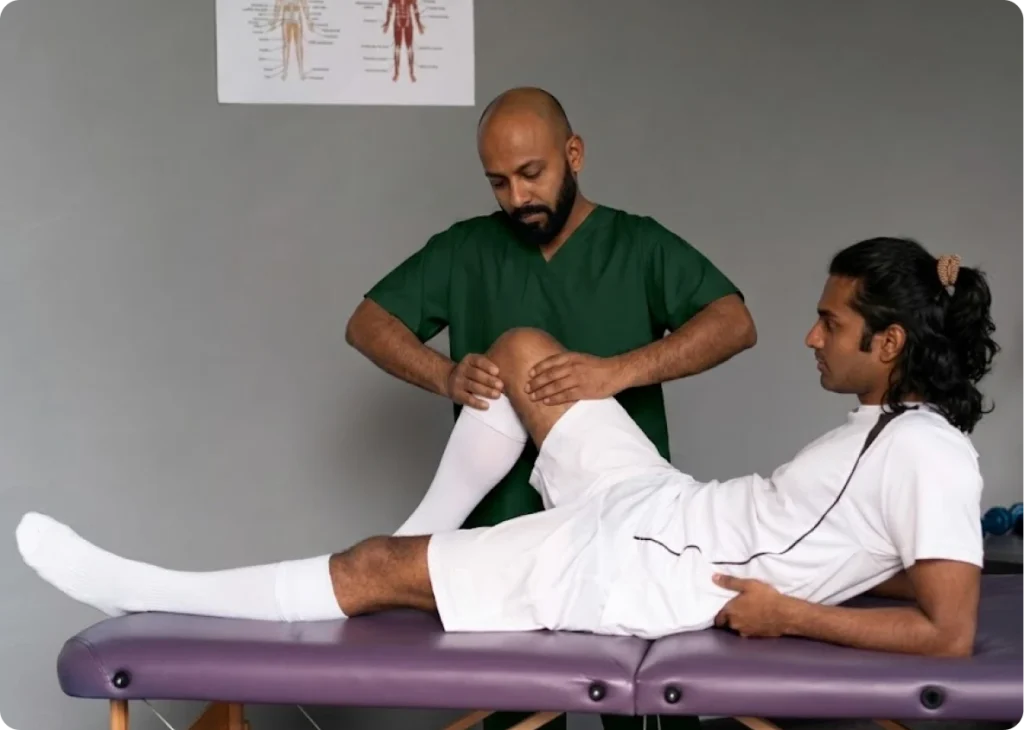
For those rebuilding movement after knee or hip replacement.
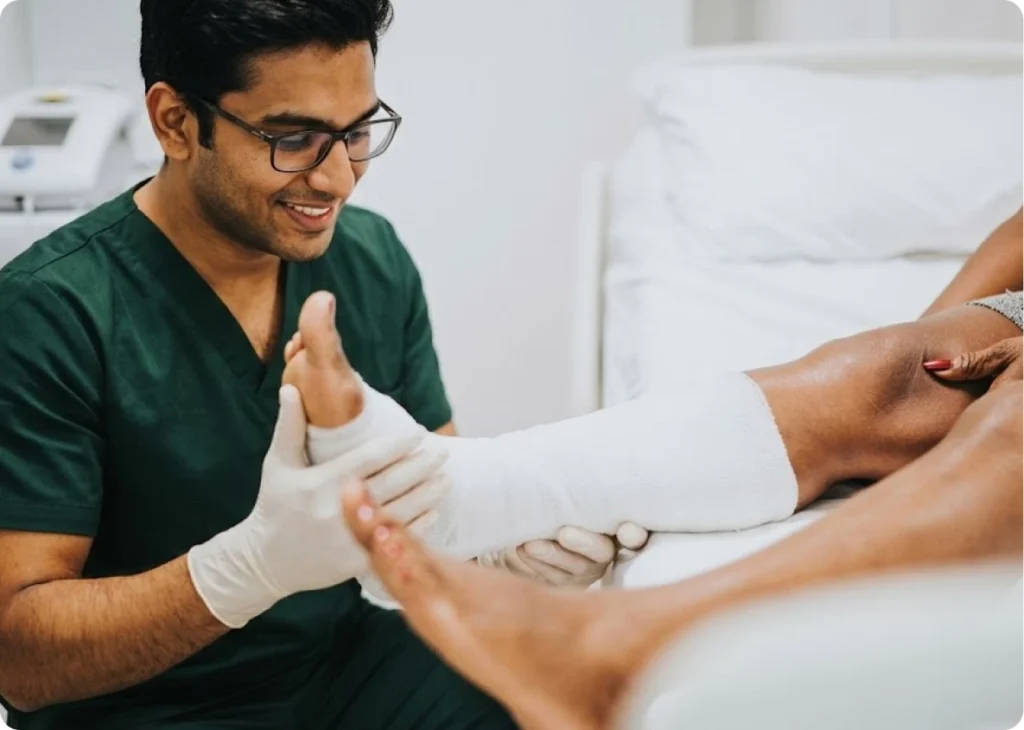
For people recovering strength and function after a fracture.
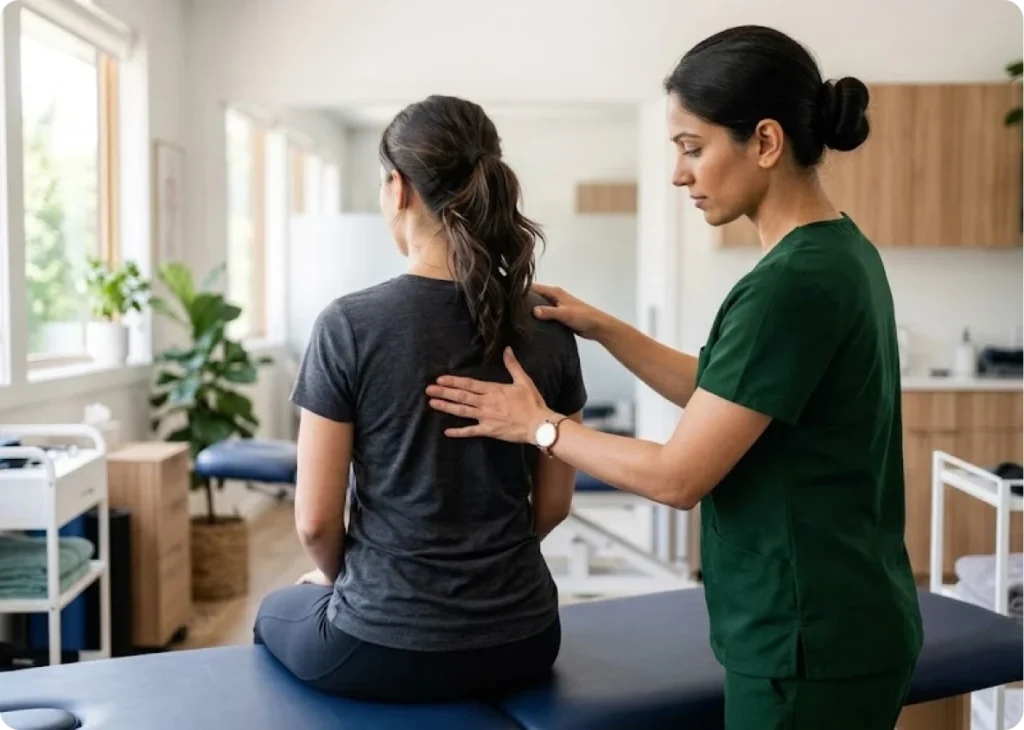
For those with back, neck or spine-related conditions.
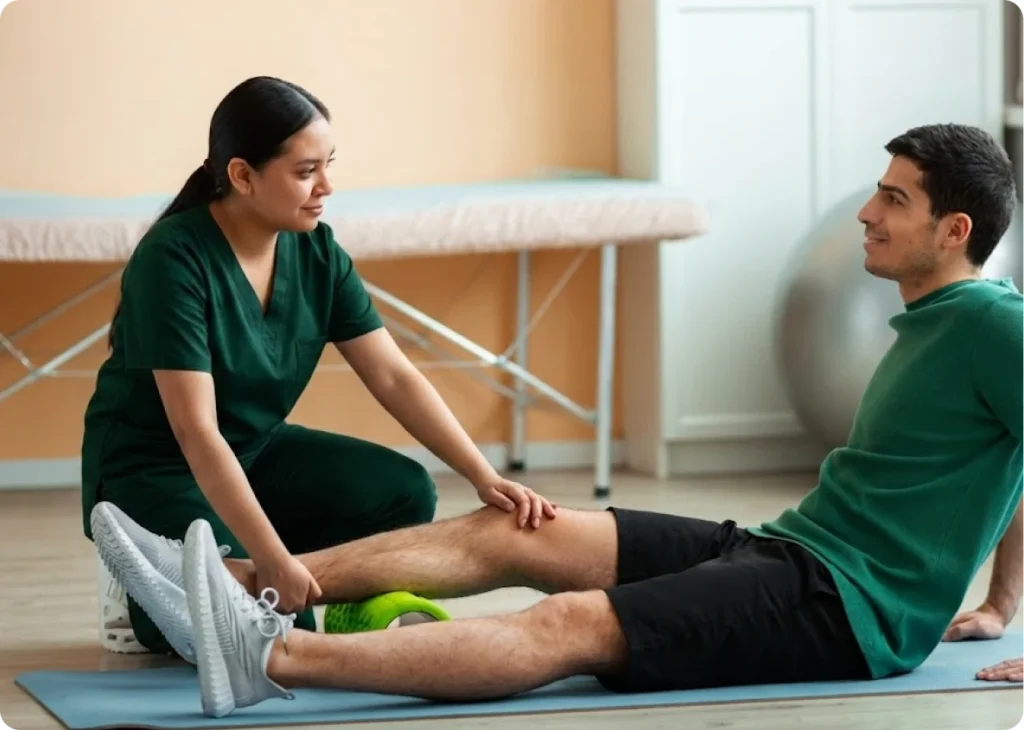
People rebuilding after sports or soft-tissue injuries.
For those managing arthritis, stiffness or reduced mobility.
For those with back, neck or spine-related conditions.
Your care combines clinical expertise, therapy and ongoing support, all working towards the abilities and independence you want to rebuild.
Assessing strength, range of motion and movement goals.
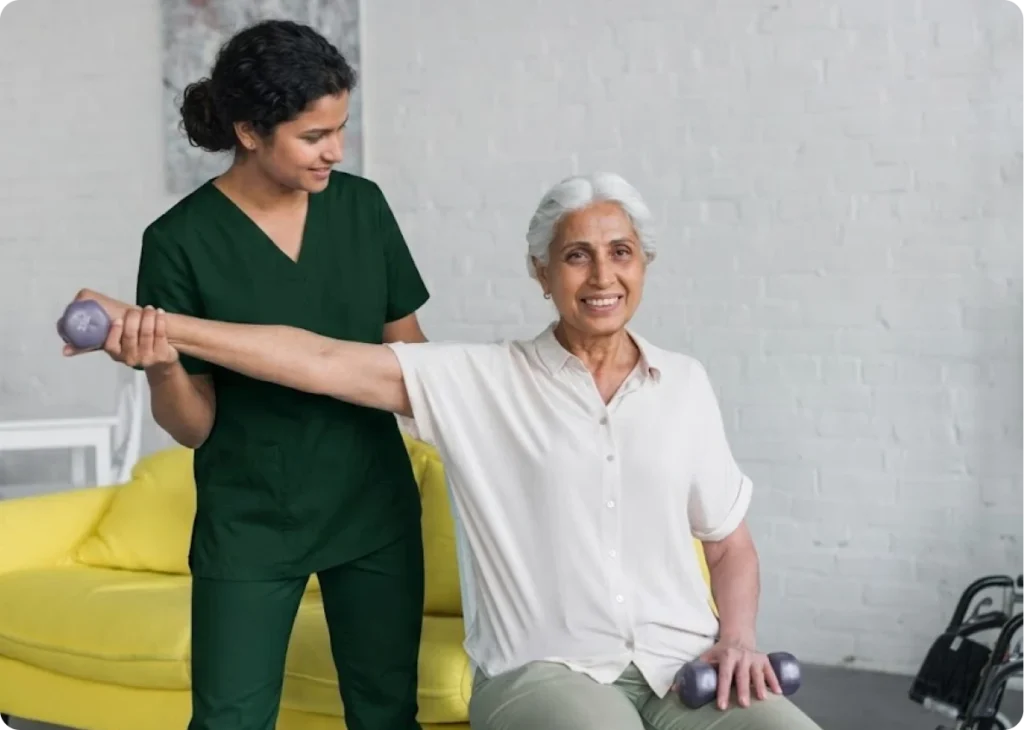
Physiotherapy to rebuild strength, balance and walking.
Hands-on therapy to ease stiffness and restore movement.
Retraining safe walking, balance and daily movement.
Managing pain to keep your recovery moving forward.
Robotic and technology-assisted therapy where it adds value.
HOW WE WORK
Your plan is led and reviewed by senior clinicians, and your therapists, nurses and doctors work to the same plan rather than in separate departments. We review progress regularly and change the plan as you change.
Pain during orthopaedic rehabilitation is managed through a combination of medication prescribed by the treating doctor, ice or heat therapy, gentle manual techniques, and carefully graded exercise that avoids overloading healing tissue. Therapists continuously adjust the intensity of sessions based on the patient’s pain response, so progress is made steadily without unnecessary discomfort.
Yes, targeted stretching, manual mobilisation and progressively loaded exercise can meaningfully improve post-surgical stiffness and restore range of motion in most patients. How much motion returns and how quickly depends on factors like the type of surgery, how long the stiffness has been present, and how consistently the rehabilitation program is followed.
Timelines vary significantly by procedure and individual healing, so there’s no single number that applies across all orthopaedic surgeries. As a general pattern, many patients walk unaided within a few weeks of consistent therapy, driving is considered once a patient is off strong pain medication and has regained adequate strength and reflexes, and return to sport follows functional strength and movement testing. The treating surgeon’s clearance for the specific procedure should always guide the final decision on each of these.
Yes, rehabilitation remains important even after a technically flawless surgery, because surgery restores anatomical structure but does not by itself restore strength, flexibility, balance or confident movement. Skipping structured rehabilitation after surgery increases the risk of ongoing stiffness, muscle weakness and re-injury, even when the operation itself was fully successful.
Orthopedic recovery takes time and differs a great deal from person to person. We give you a clear plan, skilled care and an honest view of progress at every stage.