Some children are catching up on milestones, others need lifelong support; we meet each child exactly where they are.
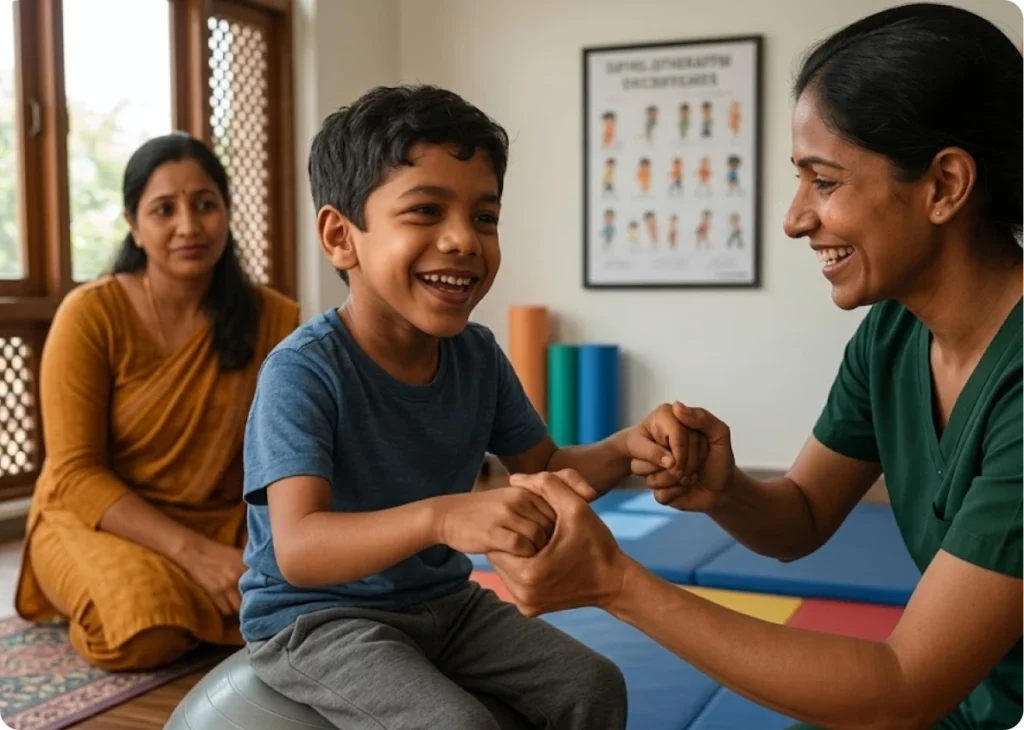
For children living with cerebral palsy across different levels of need.
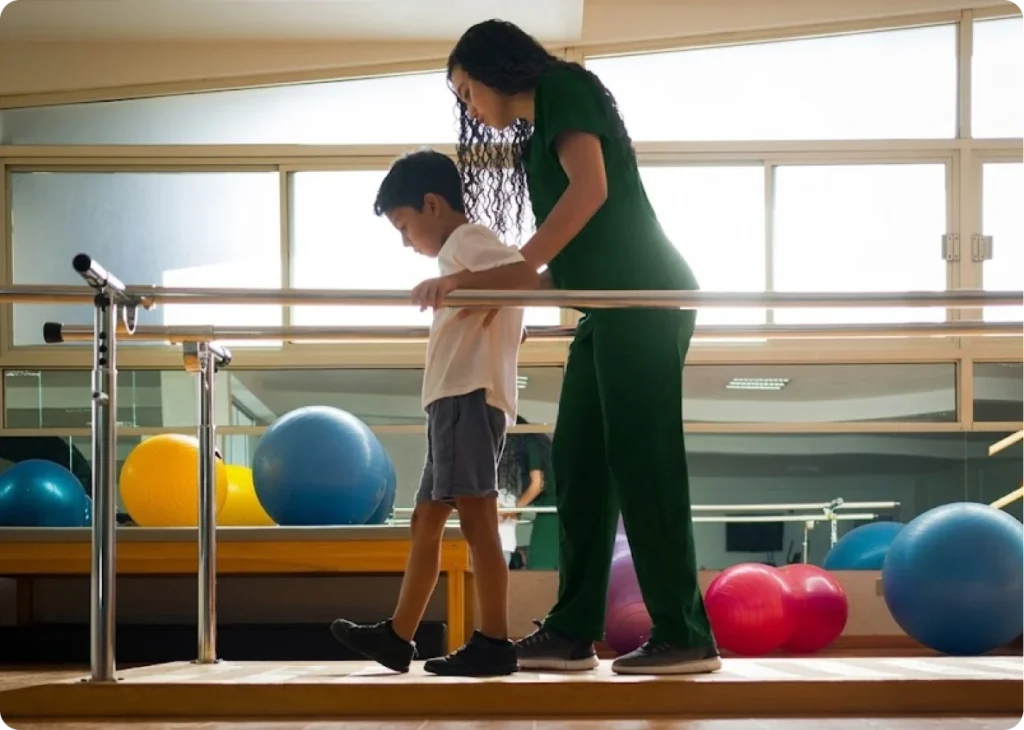
For children who are slow to sit, stand, walk or talk.
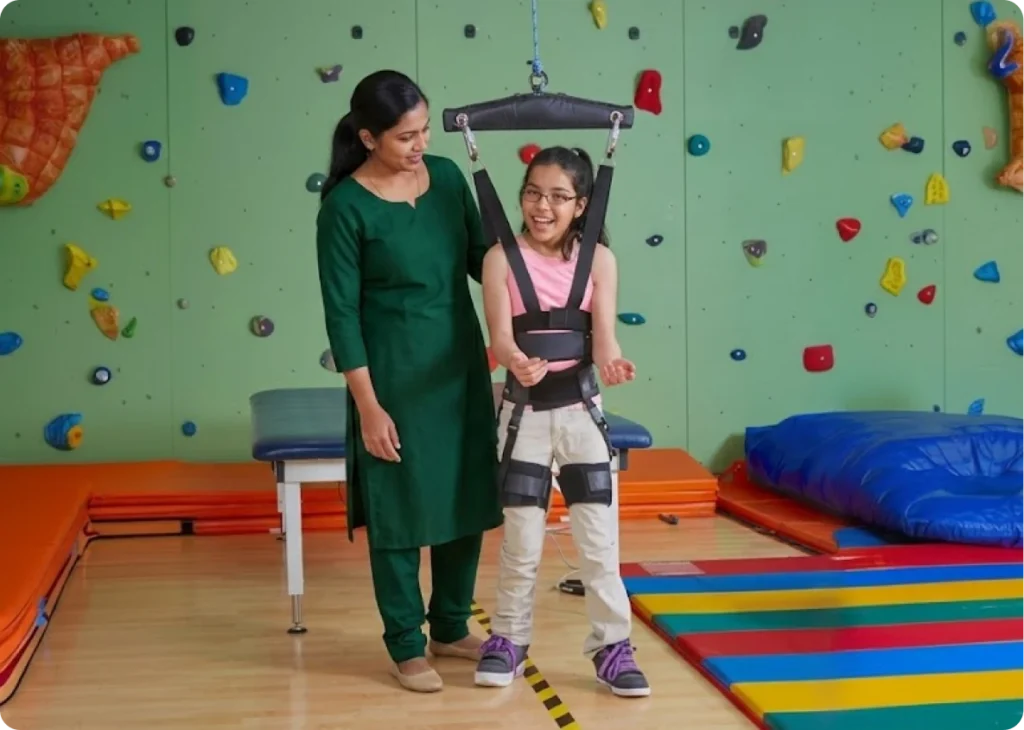
For improving muscle control, posture and coordinated movement.

For children who are slow to speak, or who struggle to be understood.
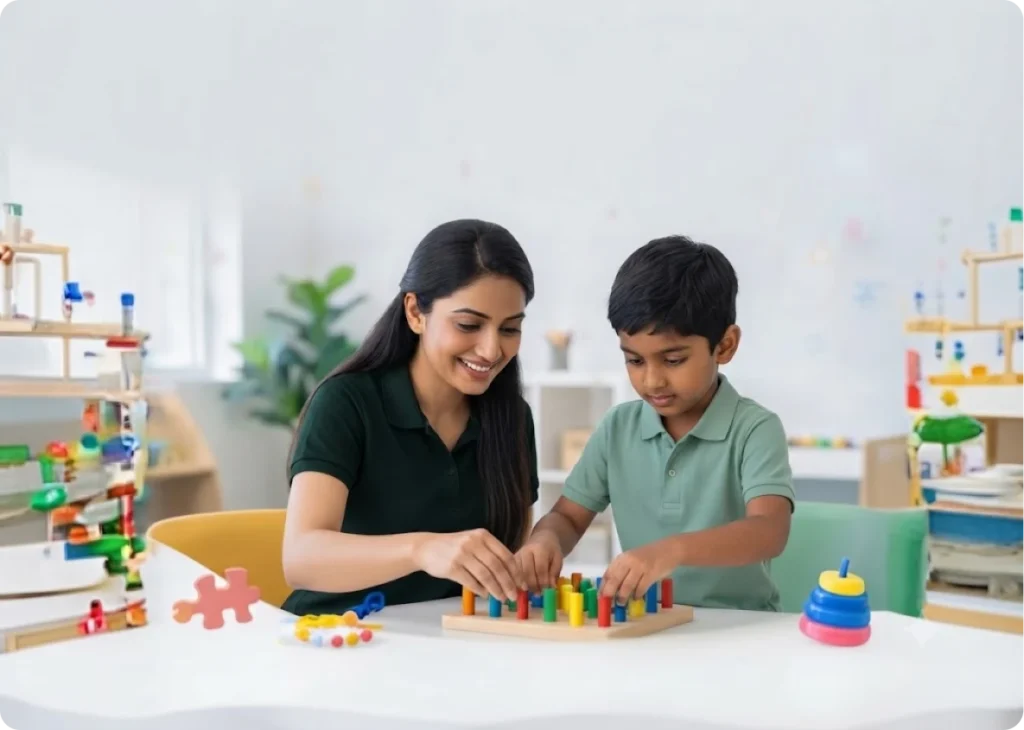
For children working on hand use, grip, feeding and daily routines.coordinated movement.
For improving muscle control, posture and coordinated movement.
Therapy is built around play and development, helping your child gain movement, communication and everyday skills at their own pace.
A full assessment of movement, posture, speech and development.
Physiotherapy to build strength, posture, balance and movement.
Play-based therapy for hand skills, daily tasks and independence.
Therapy where speech, communication or feeding is affected.
Targeted therapy to support milestones, building confidence, mobility, and independence.
Home exercises and guidance so families can support progress daily.
HOW WE WORK
Your plan is led and reviewed by senior clinicians, and your therapists, nurses and doctors work to the same plan rather than in separate departments. We review progress regularly and change the plan as you change.
Developmental milestones are the skills most children typically reach by certain ages, such as rolling over, sitting, walking or speaking first words. Parents should seek an evaluation if a child is significantly behind expected timelines, shows delays across several areas at once, or loses skills they had previously gained, since early assessment allows for earlier, more effective support.
Therapy is generally most effective when started as early as possible, ideally as soon as a delay or diagnosis is identified in infancy or the toddler years. A young child’s brain has significant plasticity during this period, which means early, consistent therapy tends to have the greatest impact on long-term movement, communication and daily-skill development.
Whether a child with cerebral palsy will walk depends on the type and severity of their condition; many children with milder presentations walk independently or with the help of supportive devices, while others with more significant involvement may rely primarily on a wheelchair. Rehabilitation aims to help each child reach their fullest individual mobility potential rather than promising a single fixed outcome.
Parents are given specific home exercises and practical guidance from the therapy team, built around the child’s daily routines and play so they fit naturally into family life rather than feeling like an extra task. This guidance is reviewed and adjusted as the child progresses, and consistent practice at home meaningfully reinforces what’s achieved during structured sessions at the centre.
Many children with cerebral palsy, particularly those with milder physical or cognitive involvement, are able to attend mainstream school, sometimes with additional support such as physical accommodations or an aide. Whether mainstream schooling is appropriate depends on the individual child’s physical, cognitive and communication needs, which therapy works to strengthen over time.
No, delayed development does not always mean cerebral palsy. Delays can result from many different causes, including prematurity, other medical conditions, or simply individual variation that resolves over time, so a proper developmental assessment is needed to understand the underlying cause before any diagnosis is made.