We support recovery from stroke, brain injury, spinal cord injury, and orthopaedic conditions, helping restore movement and independence.
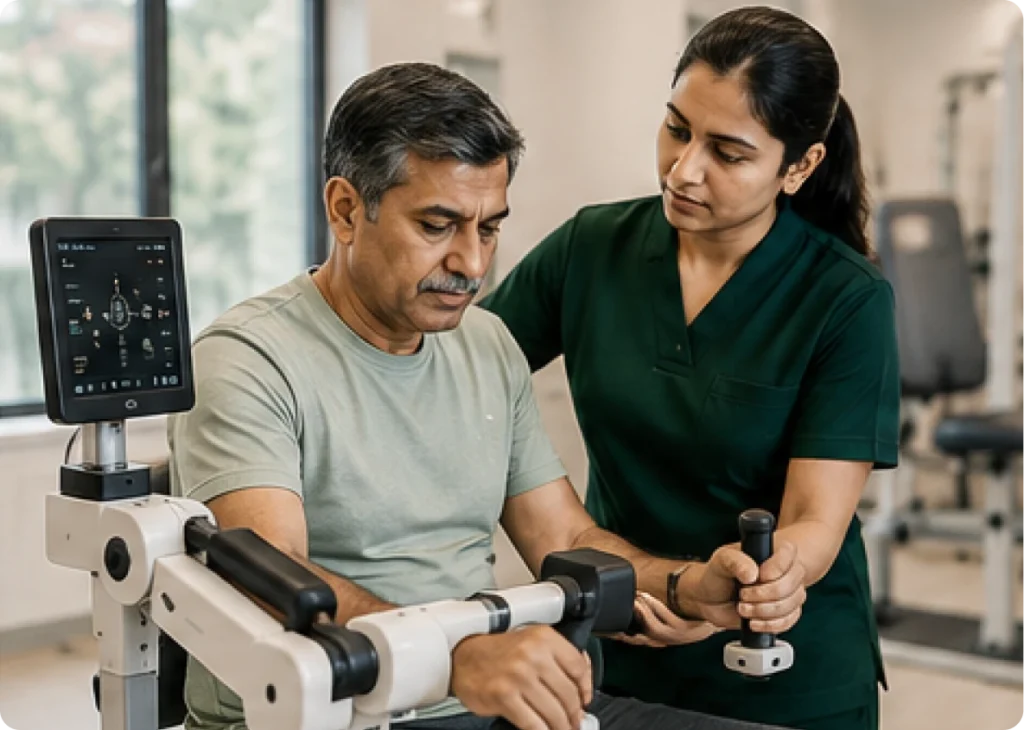
Regaining movement, speech, memory and daily independence after a stroke.
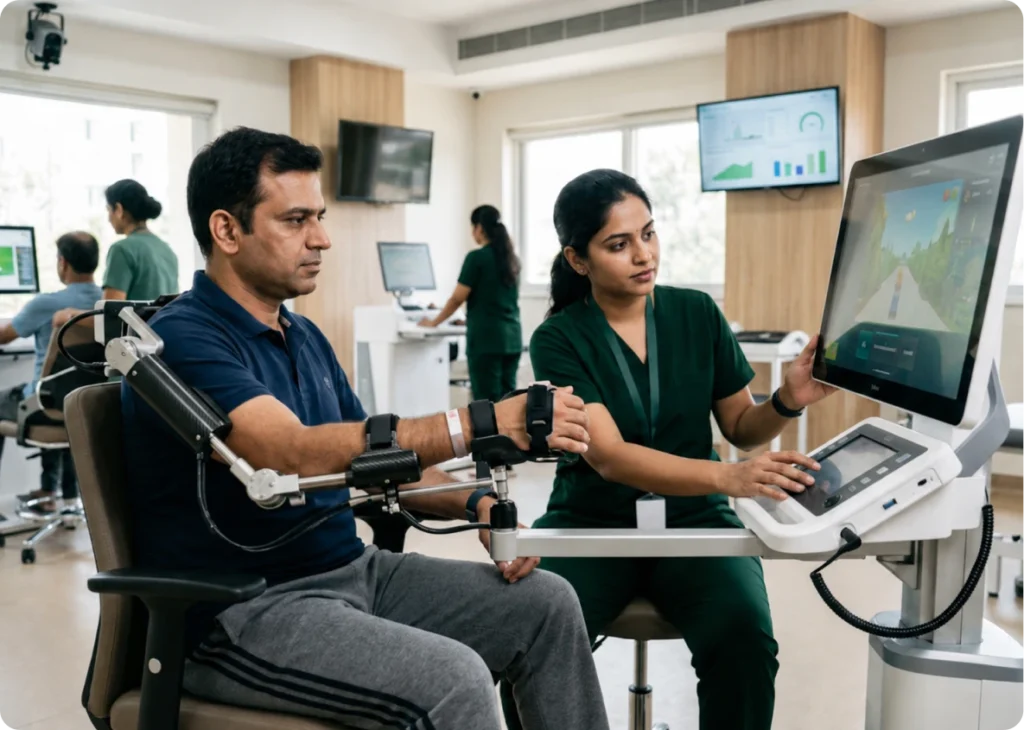
Building strength, function, mobility, and independence following spinal cord injury.
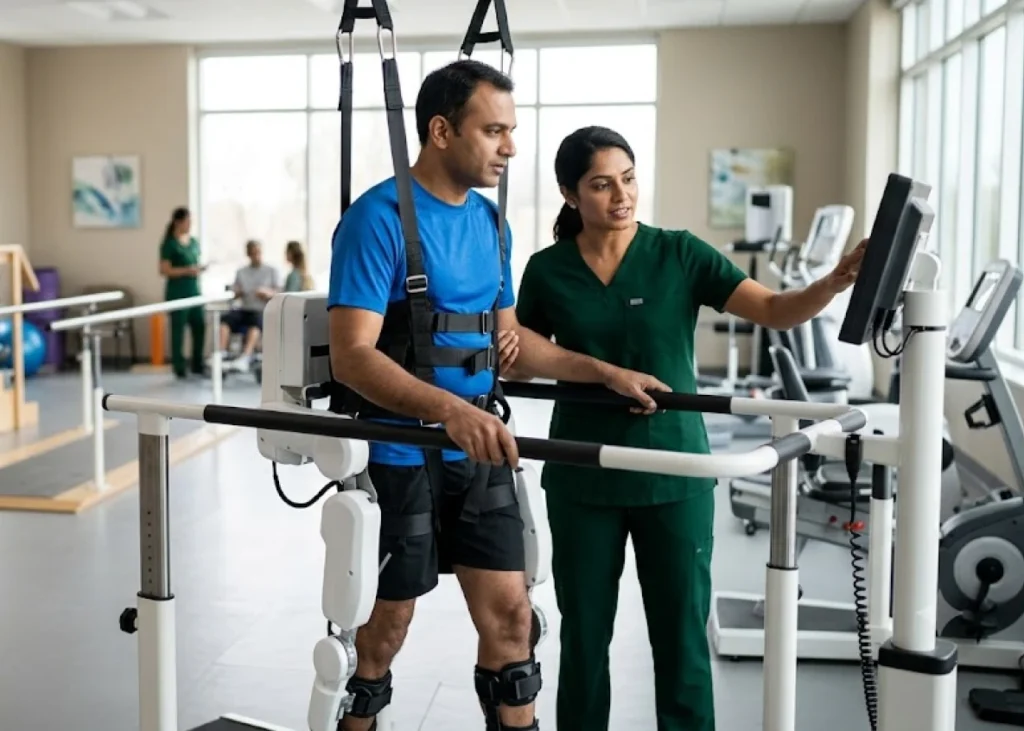
Support recovery and restore function after brain or spinal surgery.
Personalized therapy focused on improving mobility, strength, function, and long-term recovery across specialized conditions.
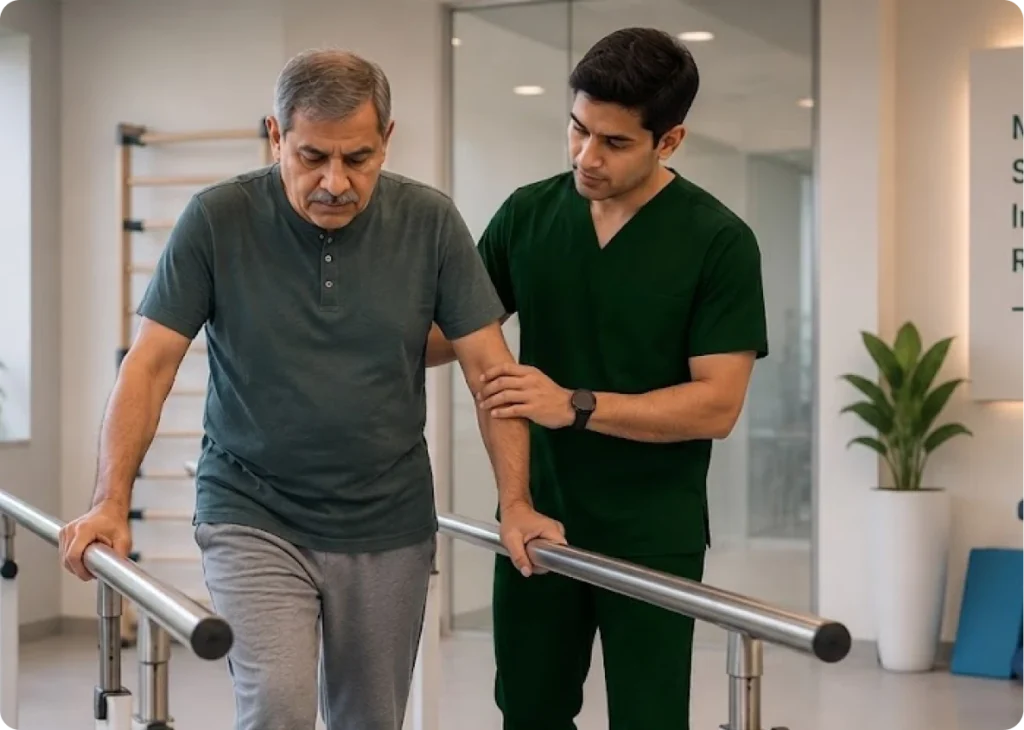
Therapy focused on balance, coordination and mobility while managing movement disorders.
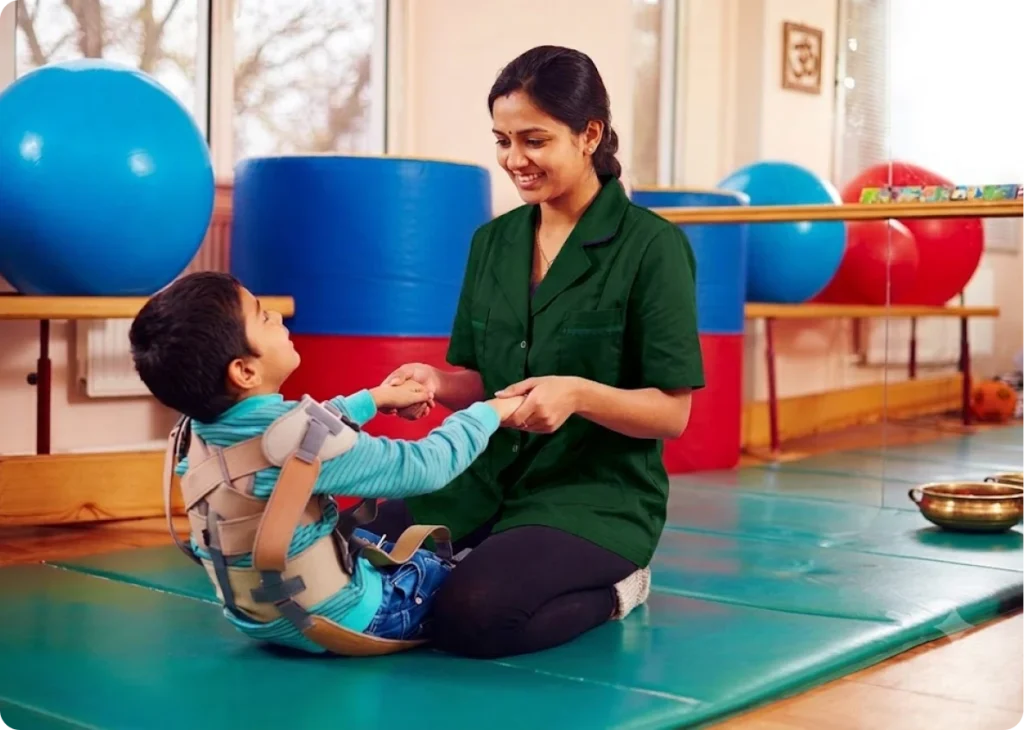
Help children develop motor skills, strength, and functional independence.
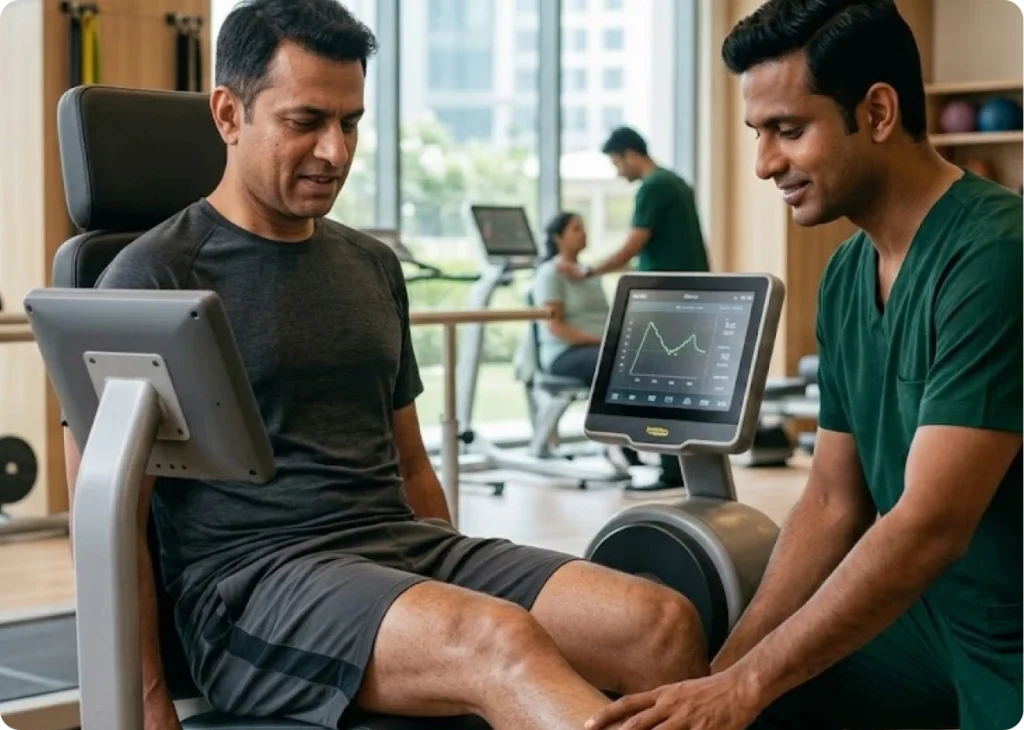
Structured therapy to rebuild strength and mobility after orthopaedic surgery.
If your condition is not listed
These are the conditions we see most often, but they are not the only ones we treat. If you are not sure whether we can help, please talk to us. We will give you an honest answer.
Rehabilitation can genuinely help a wide range of conditions, including stroke and paralysis, spinal cord injuries, recovery after brain and spinal surgeries, Parkinsonism and movement disorders, cerebral palsy and delayed milestones, and recovery after orthopaedic surgery. Structured, goal-based therapy can improve strength, mobility, independence and quality of life across these conditions.
Dexterity notes that the conditions listed are simply the ones they see most often, not an exhaustive list. If your condition is not mentioned, it is best to contact the team directly and describe the situation so they can give you an honest answer about whether rehabilitation can help.
Yes, many patients have more than one condition at the same time, for example a stroke alongside orthopaedic issues or age-related frailty, and Dexterity’s integrated care team is set up to coordinate treatment across these overlapping needs. The doctors, therapists and nurses work from one shared plan so multiple issues can be addressed together rather than in isolation.
The team typically begins with a thorough clinical assessment of the patient’s diagnosis, functional ability, medical history and personal goals to determine which rehabilitation pathway, such as neurological, orthopaedic or transition care, is most appropriate. This assessment also guides how residential or outpatient care and the intensity of therapy are structured.
In general, earlier rehabilitation tends to lead to better outcomes, and for many neurological and orthopaedic conditions, therapy can safely begin within days of the event once the patient is medically stable. The exact timing depends on the specific diagnosis, so it is best to check with the treating doctor and rehabilitation team about when to start.
Yes, rehabilitation can still bring real benefits even when a full return to prior function is not possible. Therapy can help patients manage symptoms, adapt to new limitations, regain as much independence as achievable, and improve overall quality of life and safety at home.
From daily therapy to round-the-clock support, residential rehabilitation provides the care and guidance needed for a safer, more effective recovery journey.