We work with people from the first weeks after a stroke through to those rebuilding confidence back at home.
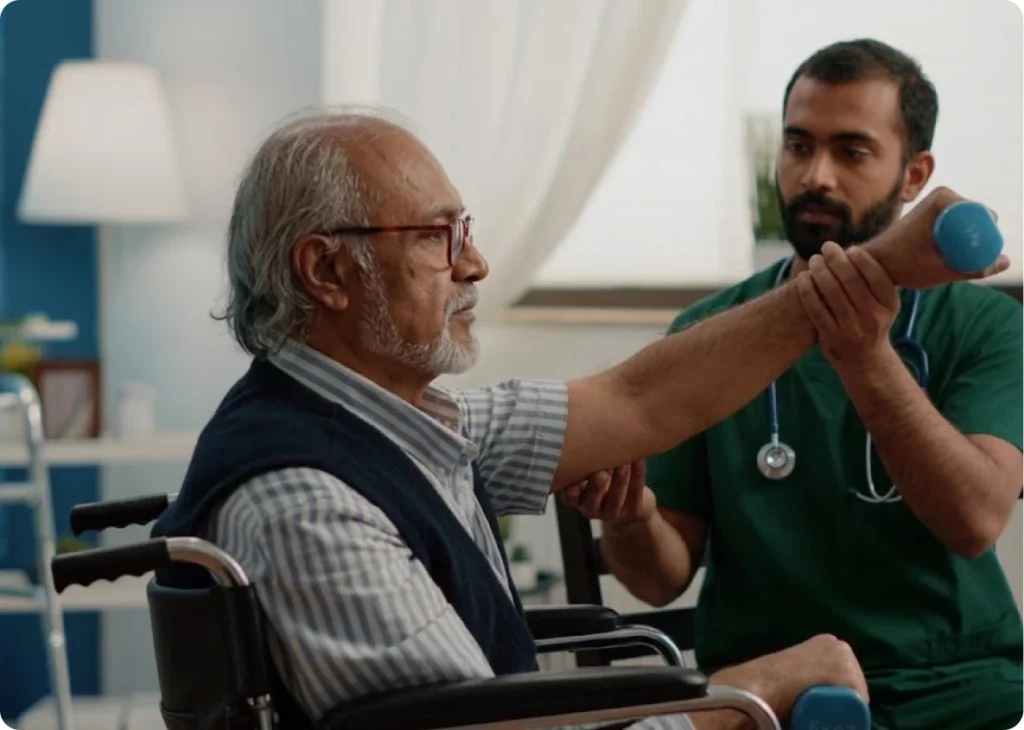
For weakness or paralysis affecting one side of the body after a stroke.
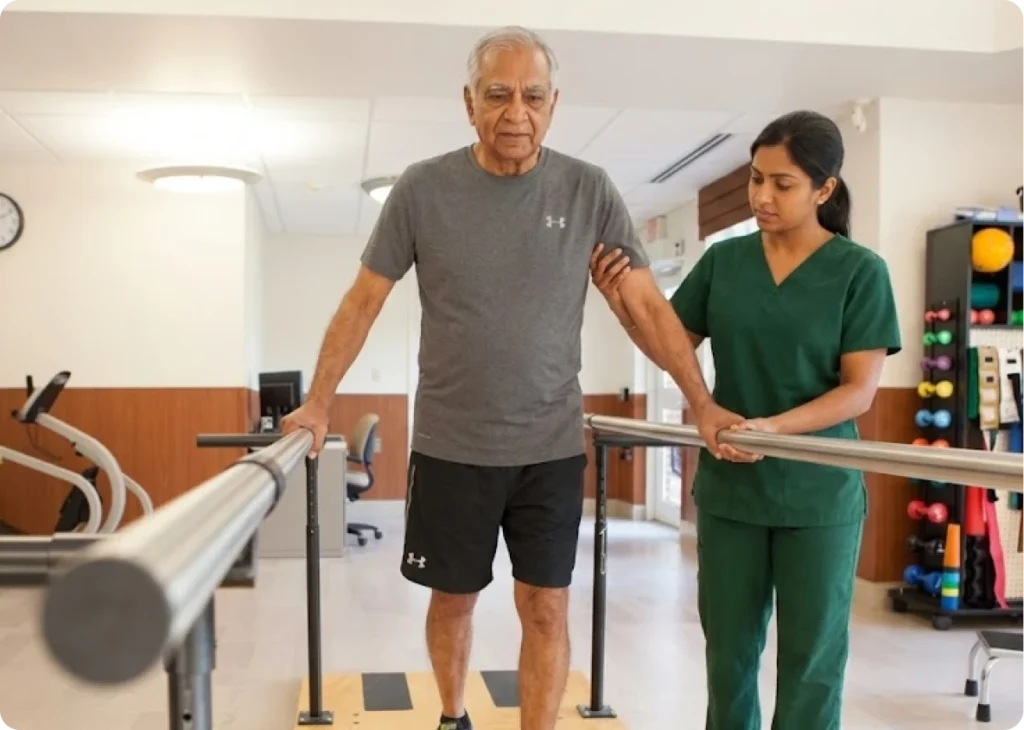
For those rebuilding standing, balance and safe, steady walking.
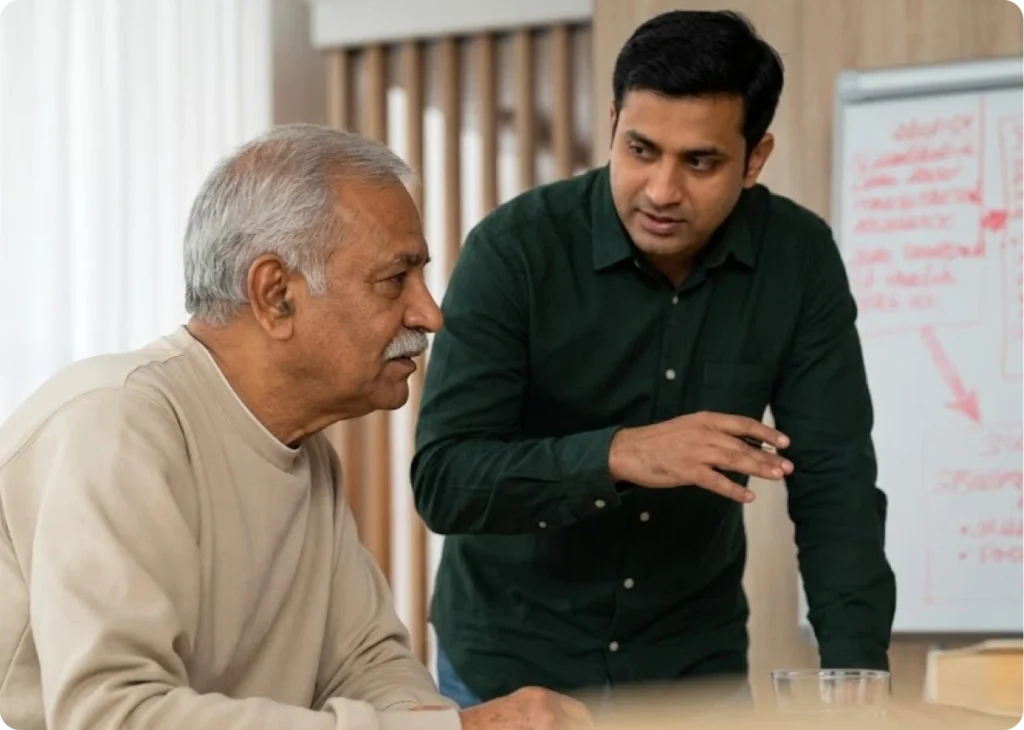
For people whose speech, understanding or swallowing has been affected.
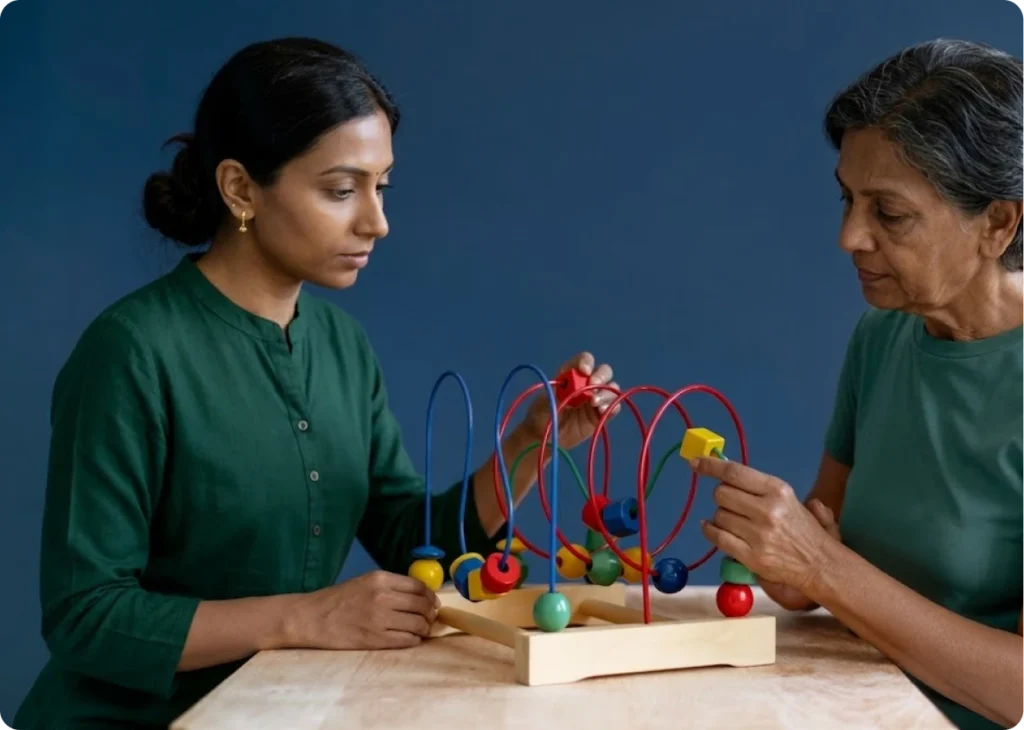
For rebuilding grip, reach and everyday use of the affected arm.
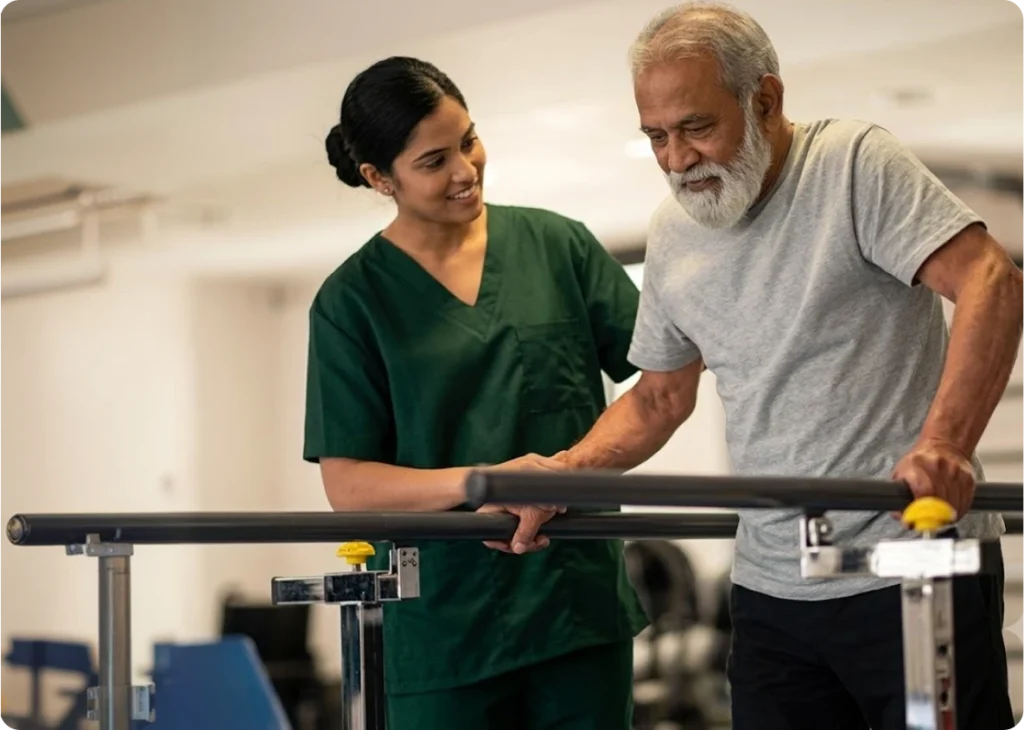
For patients beginning rehabilitation soon after a stroke.
For people whose speech, understanding or swallowing has been affected.
Stroke recovery works best when therapies pull in the same direction, rebuilding movement, speech and daily independence together.
A full assessment of movement, strength, sensation and daily function.
Physiotherapy to build strength, mobility and functional movement.
Retraining transfers, wheelchair skills and independence in daily tasks.
Support for speech, communication, and swallowing difficulties after stroke.
Therapy to improve memory, thinking, and problem-solving skills.
Support for confidence and motivation during recovery, where specialist mental health input is needed.
HOW WE WORK
Your plan is led and reviewed by senior clinicians, and your therapists, nurses and doctors work to the same plan rather than in separate departments. We review progress regularly and change the plan as you recover.
The ‘golden period’ usually refers to the first few months after a stroke, when the brain’s capacity for neuroplasticity is often greatest and recovery can happen more quickly with intensive therapy. However, meaningful improvement is not limited to this window. Many patients continue to make real gains in strength, mobility and function well beyond the early months with focused, consistent rehabilitation, so starting later is still worthwhile.
Many stroke patients do regain the ability to walk, though the extent of recovery depends on factors like the severity and location of the stroke, overall health and how the patient responds to therapy. Dexterity’s programme includes intensive, clinician-led therapy for rebuilding standing, balance and safe, steady walking, with honest progress updates rather than a guaranteed outcome or timeline.
Hand and arm recovery after stroke varies widely between patients, and it is difficult to predict an exact outcome in advance. Some regain near-full function, while others recover partial use of grip and reach with ongoing effort. Dexterity’s occupational therapy focuses on rebuilding grip, reach and everyday use of the affected arm through targeted, repetitive retraining, with progress assessed and reviewed regularly.
Recovery time after a stroke varies significantly from person to person, depending on factors such as the severity and location of the stroke and how consistently therapy is followed. Many patients see the fastest gains in the early months, though progress can continue well beyond that with consistent rehabilitation; the team reviews progress regularly and adjusts the plan rather than working to one fixed timeline for every patient.
A plateau in stroke recovery doesn’t necessarily mean progress has stopped for good, it’s often a sign the current therapy approach needs reassessing. A fresh clinical evaluation can identify whether different techniques, increased therapy intensity, technology-assisted training, or a shift in goals could help unlock further gains, since meaningful improvement can still occur later in stroke recovery with the right adjustments.
Yes, depression and low motivation are common after stroke, affecting a significant proportion of survivors, and can affect a patient’s engagement with therapy. Dexterity offers emotional and behavioural support as part of its programme, helping build confidence and motivation during recovery, with specialist mental health input brought in where needed.
Stroke recovery takes time and differs from person to person. We will not promise a fixed result or timeline, only a clear plan, skilled care and an honest view of progress.