
For people living with Parkinsonism and related conditions, therapy is about staying steady, mobile and independent for as long as possible.
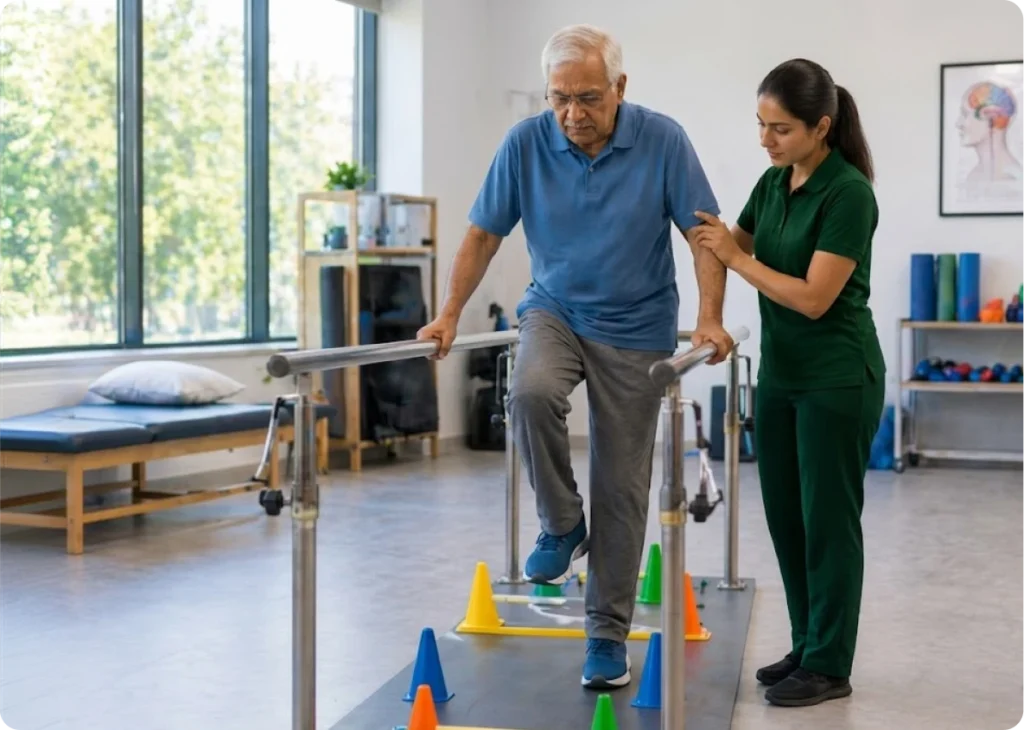
For people living with Parkinson's disease at different stages.
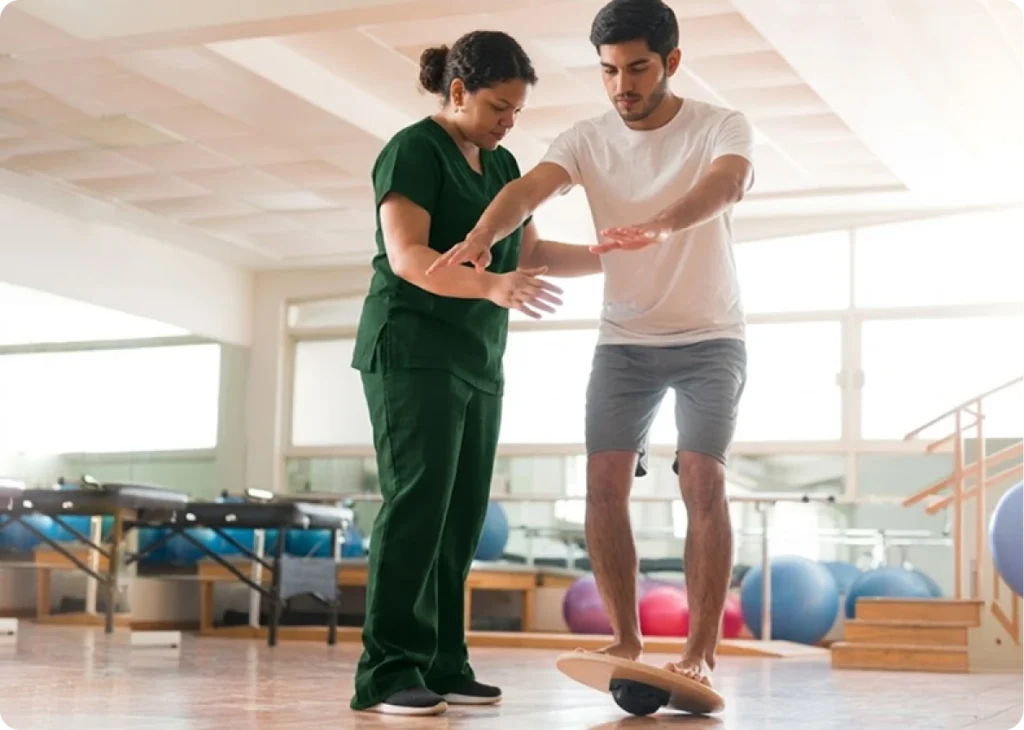
For those working to improve balance and reduce the risk of falls.
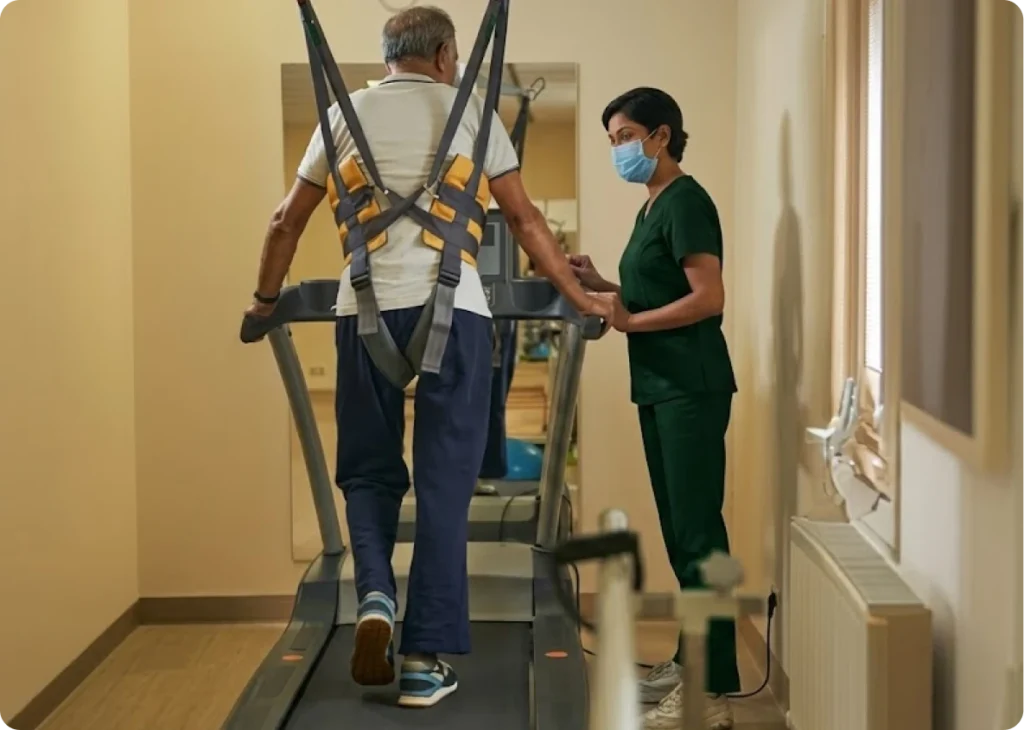
For managing rigidity, slowness and difficulty starting movement.
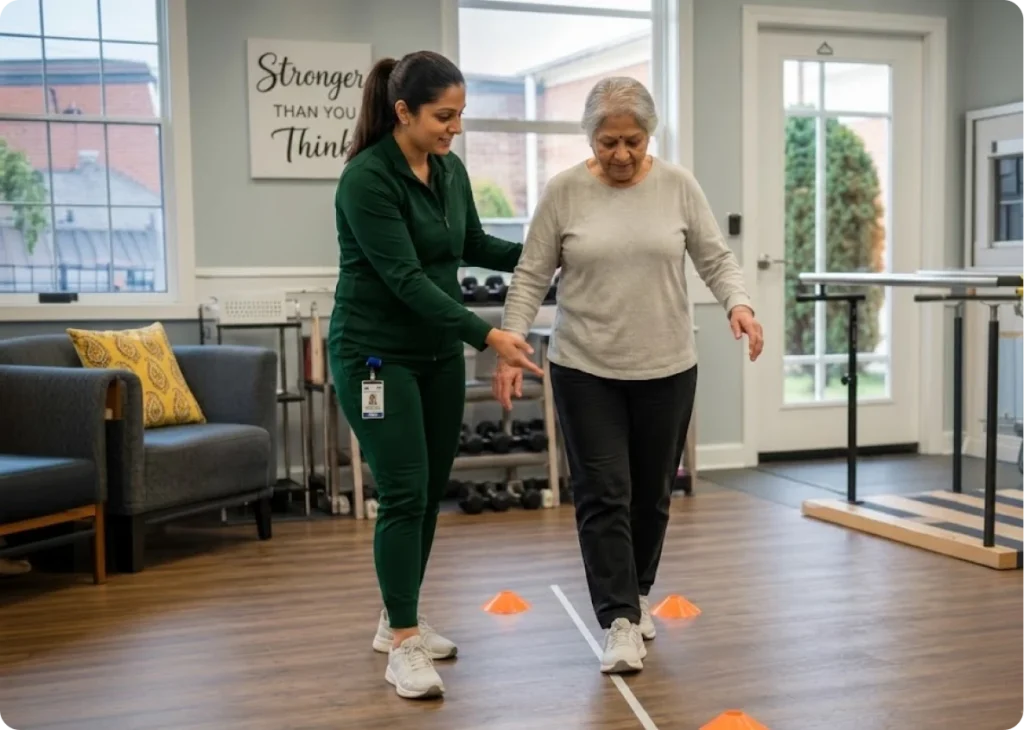
For improving walking, stride length and freezing of gait.

For support with speech, handwriting and everyday activities.
For managing rigidity, slowness and difficulty starting movement.
Therapy is built around play and development, helping your child gain movement, communication and everyday skills at their own pace.
A full assessment of movement, posture, speech and development.
Physiotherapy to build strength, posture, balance and movement.
Adapting daily tasks and the home to keep you independent.
Therapy for voice, speech and swallowing changes.
Technology-assisted balance and gait training.
Nursing and medical care coordinated with your movement specialist.
HOW WE WORK
Your plan is led and reviewed by senior clinicians, and your therapists, nurses and doctors work to the same plan rather than in separate departments. We review progress regularly and change the plan as you change.
Physiotherapy cannot alter the underlying disease process, but regular, targeted exercise has been shown to help maintain mobility, balance and function for longer, and may help slow the rate of physical decline associated with the disease. Dexterity’s programme focuses on strength, posture, balance and movement at whatever stage the condition is at, aiming to preserve independence and quality of life.
Yes. Dexterity’s Parkinsonism programme includes intensive, high-amplitude movement training, which retrains larger, more purposeful movements to counter the smaller, shuffling steps typical of the condition, alongside voice training aimed at improving volume and clarity of speech. These approaches are well-established for Parkinson’s care; ask the team whether your specific care plan includes a named, certified protocol.
Freezing of gait is a sudden, temporary inability to step forward, often triggered by turning, doorways or crowded spaces, and it is a recognised feature of Parkinson’s disease. It is typically managed through specific gait and cueing strategies, balance training and, where appropriate, technology-assisted gait practice, alongside adjustments to walking routes and the home environment. Dexterity’s care includes assessment and physiotherapy specifically targeting walking and freezing difficulties.
Fall prevention in Parkinson’s disease combines balance and strength training, gait and freezing management, review of medication timing, and practical home safety changes to reduce hazards. Dexterity’s assessment looks specifically at balance and falls risk alongside rigidity and movement difficulties, building a physiotherapy and occupational therapy plan to help patients move and manage daily tasks more safely.
Yes, rehabilitation can help with other movement disorders such as ataxia and dystonia, even though each condition affects movement differently. Therapy typically focuses on improving balance and coordination for ataxia, or on managing abnormal postures and movements for dystonia, alongside occupational therapy for daily tasks and speech therapy where communication is affected. Dexterity’s movement disorder programme is built around an individual assessment of each patient’s specific difficulties rather than a one-size-fits-all approach.
Between sessions, patients are generally guided toward gentle strength, balance and stretching exercises tailored to their specific condition and ability level, along with any posture or walking cues introduced in therapy. It is important that home exercises are set by the treating therapist so they match the patient’s current stage and safety needs; the Dexterity team provides this guidance as part of the ongoing care plan.