
Recovery affects the whole family, not just the patient. We keep families informed, involved, and supported throughout your loved one’s journey every step.
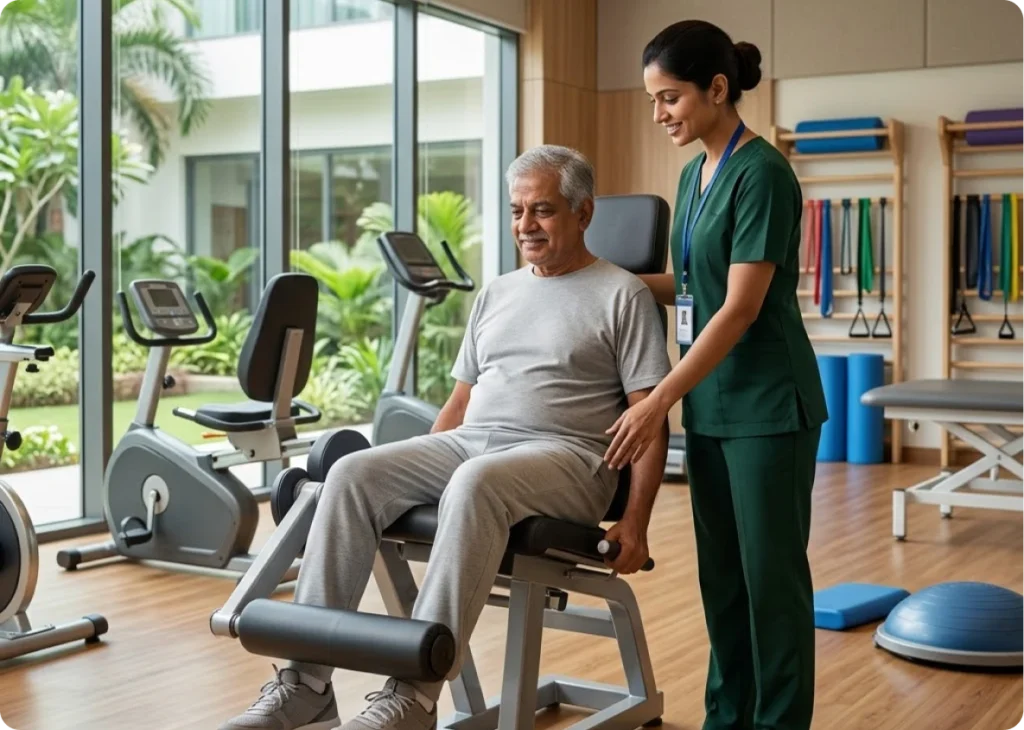
Mornings are focused on intensive therapy when patients have the most energy.
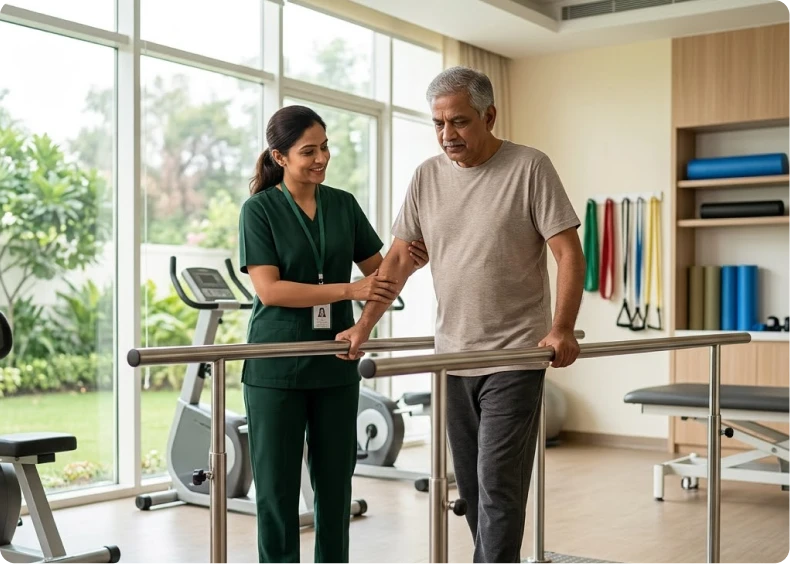
Afternoons include lighter therapy, skill practice, and recovery time.

Evenings allow time for family and rest before the next day.
We keep families informed, involved, and prepared throughout recovery through regular communication, structured meetings, and clear guidance.
We update the clinical team and schedule family meetings to review progress.
Family members receive training to support recovery at home.
We provide clear guidance on what supports recovery and what may slow progress, helping families understand the rehabilitation process and make informed decisions with confidence.
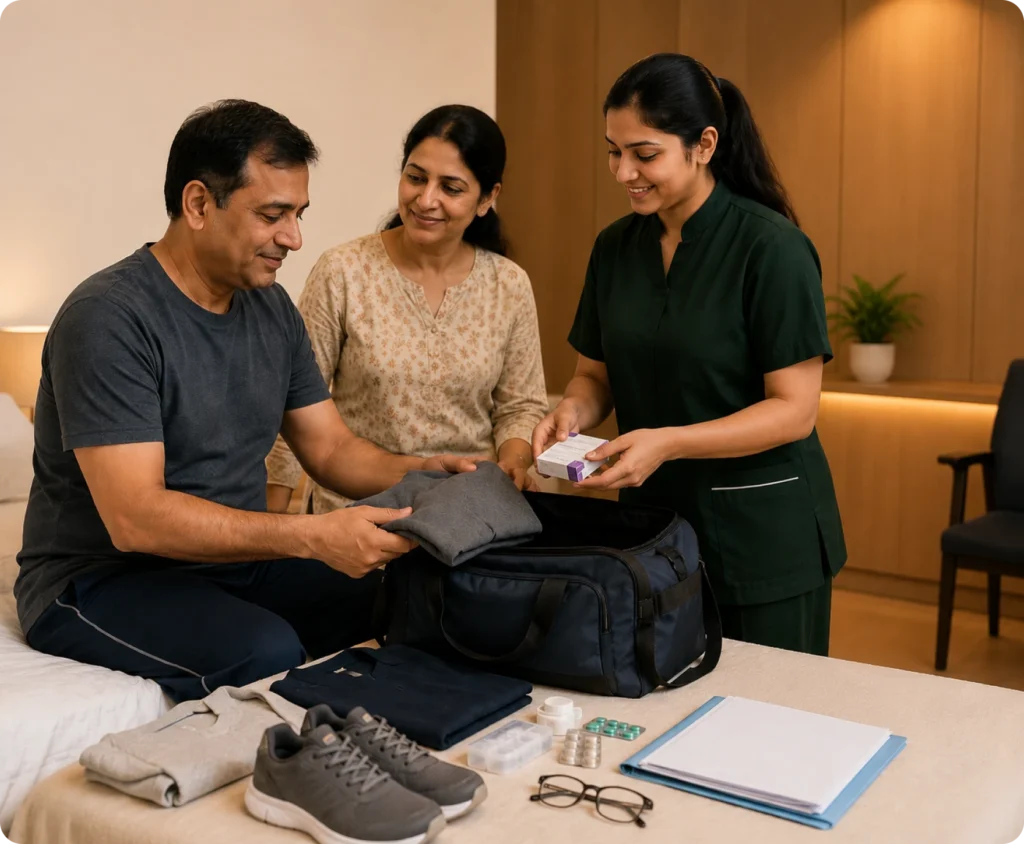
Bring comfortable, loose-fitting clothes and well-fitting walking shoes suitable for therapy sessions and daily activities.
Bring all current medications, prescriptions, and relevant medical reports to help our team understand your care needs.
If used, bring spectacles, hearing aids, dentures, and any other personal aids needed for daily living.
A few personal belongings, such as photographs or comfort items, can help make your room feel more familiar and welcoming.
Food and Meals During Recovery
Recovery nutrition is not one-size-fits-all. Meals are planned with consideration for the patient's condition, dietary requirements, and personal preferences, including vegetarian and non-vegetarian options.
Before a patient returns home, set up a comfortable, accessible resting area, ideally on the ground floor, clear fall hazards such as loose rugs and clutter, and add safety features like grab bars and non-slip mats in the bathroom. Keeping medications, water and a phone or communication device within easy reach also helps the patient settle in safely from day one.
Safe transfers depend on good technique: keep the patient close to your body, bend your knees rather than your back, use a transfer belt or the patient’s own strength where possible, and move slowly with clear verbal cues so the patient knows what to expect. Families receive hands-on training in safe transfer techniques before discharge so they can practise this confidently at home.
Caregiver burnout is the physical and emotional exhaustion that can build up when someone provides ongoing care for a loved one without adequate rest or support. It can be reduced by sharing caregiving duties with others, taking regular breaks, seeking practical training so tasks feel less overwhelming, and reaching out for emotional support rather than managing everything alone.
Personality and mood changes after a brain injury, such as irritability, apathy or emotional swings, are a recognised part of many neurological recoveries and are not usually a reflection of the person’s true character. Families cope best by learning what to expect, responding calmly and consistently, and working with the clinical team, who can guide behavioural strategies and adjust the care plan as needed.
Before discharge, family members receive training to support the patient’s recovery at home, which includes safe techniques for daily care and guidance on the factors that help or hinder progress. This preparation is designed to help families feel confident managing day-to-day support once their loved one leaves the centre.
Recovery affects the whole family, and it helps to lean on the people around you, whether that is other family members, friends, or your patient’s clinical team, who can offer guidance and reassurance. Dexterity also keeps families connected through regular updates and, for those outside the region, remote support by phone, WhatsApp and video, so no one has to navigate the journey alone.
Family visits are vital to recovery. We encourage loved ones to stay connected during rehabilitation.
Monday – Sunday . 10:00 AM – 7:00 PM
A family member may be able to stay overnight based on availability and patient needs.
Many families arrange rehab from other cities or abroad. We help simplify the process and keep you connected during recovery.
Recommended hotels and serviced apartments within a short distance of the centre.
Phone, WhatsApp, and video updates available for family members.