The moment you or your loved one leaves the hospital marks an important milestone—but it’s also the beginning of a critical recovery phase. The first two weeks after discharge can significantly impact healing, prevent complications, and set the foundation for long-term recovery.
Proper planning ensures a smoother transition from hospital to home and reduces stress for both patients and caregivers.
Why the First Two Weeks Matter
After discharge, patients are often still vulnerable. Without the constant supervision of hospital staff, even small issues can escalate if not managed properly.
Key Priorities
- Prevent complications or readmission
- Manage pain and medications correctly
- Support mobility and daily activities
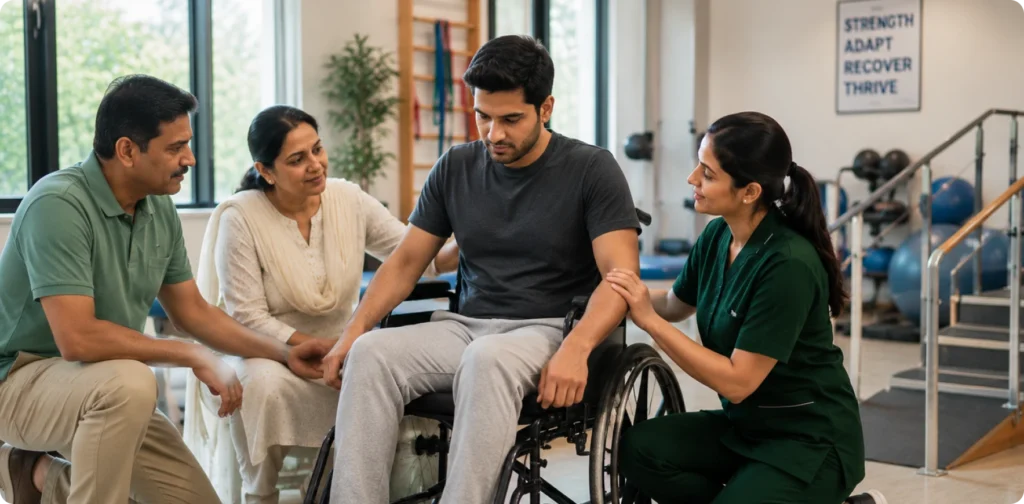
- Begin or continue rehabilitation
- Monitor overall recovery progress
Before Leaving the Hospital
Preparation should begin before discharge day.
Checklist to Complete
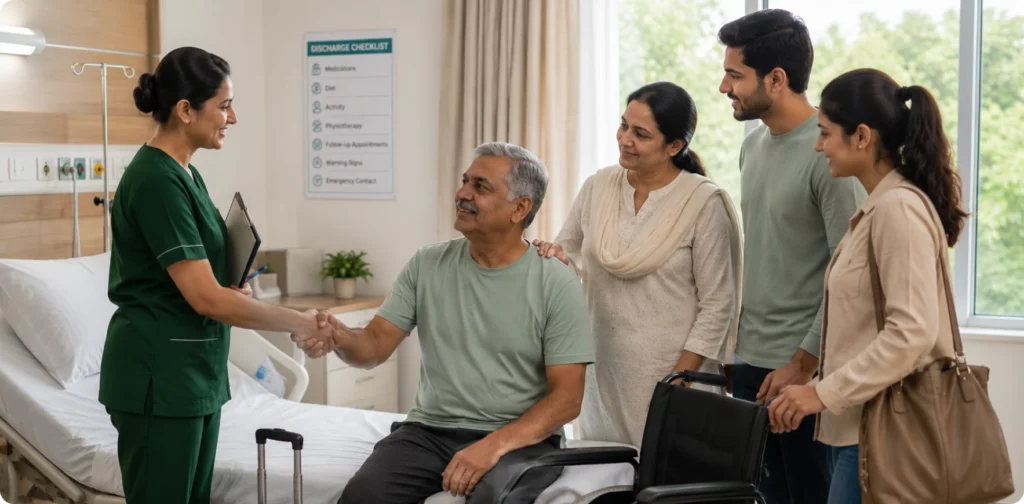
- Understand discharge instructions clearly
- Collect all prescriptions and medications
- Schedule follow-up appointments
- Ask about diet, activity restrictions, and warning signs
- Get contact details for emergencies or queries
Don’t hesitate to ask questions—clarity now prevents confusion later.
Setting Up Your Home for Recovery
A safe and comfortable environment is essential.
What to Arrange
- A comfortable resting area (preferably on the ground floor if mobility is limited)
- Easy access to essentials like water, medications, and phone
- Remove tripping hazards (loose rugs, clutter)
- Install basic support if needed (grab bars, non-slip mats)
Creating a recovery-friendly space reduces the risk of falls and strain.
Week 1: Focus on Rest and Stabilization
The first week is about adjusting and stabilizing.
What to Expect
- Fatigue and low energy levels
- Pain or discomfort (managed with medication)
- Limited mobility
What to Do
- Follow medication schedules strictly
- Prioritize rest and sleep
- Begin light movements if advised
- Monitor vital symptoms like fever, swelling, or unusual pain
Avoid pushing too hard—your body needs time to recover.
Week 2: Gradual Return to Activity
By the second week, recovery usually shifts toward gentle progress.
What to Expect
- Slight improvement in energy
- Increased confidence in movement
- Start of structured rehabilitation
What to Do
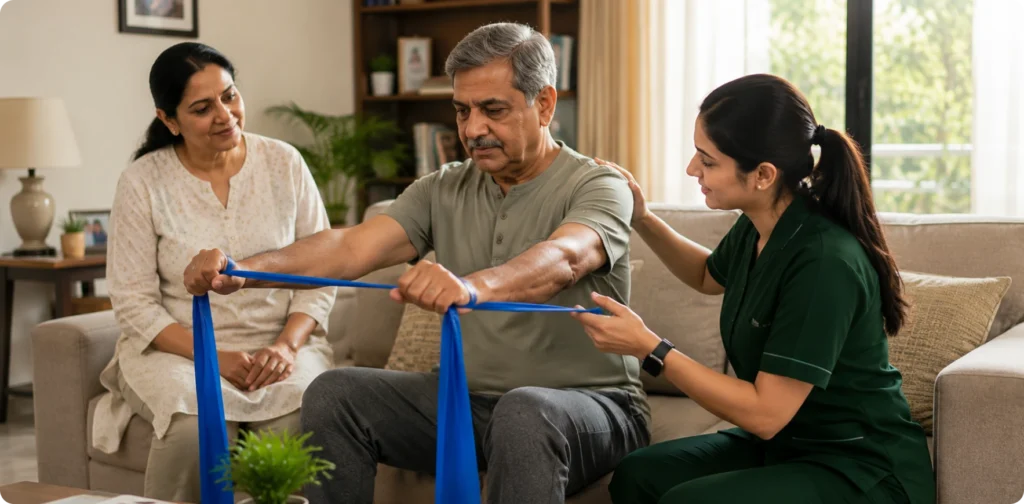
- Begin or continue physiotherapy exercises
- Slowly increase daily activities
- Maintain a healthy diet for healing
- Attend follow-up appointments
Consistency is key—small improvements add up.
Managing Medications Safely
Medication errors are a common cause of complications post-discharge.
Tips
- Create a medication schedule or chart
- Use pill organizers if needed
- Understand dosage and timing clearly
- Watch for side effects and report concerns
Always double-check before taking or administering medicines.
Recognizing Warning Signs
Knowing when to seek help can prevent serious complications.
Contact a Doctor If You Notice
- Fever or chills
- Increased pain or swelling
- Difficulty breathing
- Signs of infection (redness, discharge)
- Sudden weakness or confusion
Trust your instincts—if something feels off, seek medical advice.
Supporting Emotional Well-being
Recovery isn’t just physical.
Common Feelings
- Anxiety about health
- Frustration due to limited mobility
- Mood changes
How to Help
- Encourage open communication
- Maintain a positive, calm environment
- Stay connected with friends and family
Mental well-being plays a huge role in recovery speed.
Role of Caregivers
Caregivers are essential during this transition.
Responsibilities
- Assist with daily activities
- Monitor symptoms and progress
- Help with medication and appointments
- Provide emotional support
Remember, caregiving is a team effort—don’t hesitate to ask for help.
Final Thoughts
The first two weeks after hospital discharge are all about balance—rest and gradual activity, independence and support, caution and confidence.
By focusing on:
- Proper planning
- Safe home setup
- Medication management
- Early rehabilitation
- Emotional support
—you can create a strong foundation for a smooth and successful recovery.
FAQs
Before discharge, families should make sure they fully understand the discharge instructions, collect all prescriptions and medications, confirm follow-up appointments, and clarify the recommended diet, activity limits and warning signs to watch for. Having emergency contact details on hand is also essential in case a problem arises after leaving the hospital.
A discharge summary is the document that records the diagnosis, treatment given, medications, and follow-up instructions from the hospital stay. It matters because it is the main reference for the patient’s ongoing care, and having clarity on it at the time of discharge helps prevent confusion, missed follow-ups, and avoidable complications later.
In the run-up to discharge, do a quick safety walkthrough of the home: a ground-floor resting area if possible, hazards like loose rugs cleared, and grab bars or non-slip mats added where falls are most likely. The For Families and Caregivers section of the Dexterity website covers this home-preparation checklist in more detail.
In the first two weeks, medicines should be organised using a clear schedule or chart, ideally with a pill organiser, so doses and timings are never in doubt. Families should also understand what each medicine is for, watch for side effects, and double-check every dose before giving it, especially when multiple medications are involved.
In the first two weeks at home, some fatigue, pain and limited mobility are common and often ease by the second week. What’s not normal, and needs prompt medical attention, includes fever, worsening pain or swelling, breathing difficulties, signs of wound infection, or sudden weakness or confusion.
A rehabilitation centre may be a safer choice than going straight home when a patient still needs structured, supervised physiotherapy, close medical monitoring, or help with complex care needs that the home environment or family cannot yet manage. Consistent, professionally guided therapy and monitoring during this early period can make a meaningful difference to how well and how quickly someone recovers.