A spinal cord injury (SCI) is life-changing—not just for the individual, but also for their family and caregivers. Recovery is often a long journey that involves physical rehabilitation, emotional adjustment, and lifestyle changes. The right support system can make a significant difference in helping someone regain independence and quality of life.
This guide outlines practical ways to support a loved one after a spinal cord injury.
Understanding Spinal Cord Injury
A spinal cord injury occurs when damage to the spinal cord affects movement, sensation, and bodily functions below the injury site. The impact varies depending on the location and severity of the injury.
Common Challenges
- Loss of mobility (partial or complete paralysis)
- Reduced sensation
- Bladder and bowel control issues
- Muscle weakness or spasms
- Emotional and psychological impact
Understanding these challenges helps you provide empathetic and informed support.
1. Provide Emotional Support
Recovery isn’t just physical—it’s deeply emotional.
How You Can Help
- Be patient and listen without judgment
- Encourage open conversations about fears and frustrations
- Avoid being overly sympathetic—focus on empowerment, not pity
- Celebrate small milestones
Emotional stability plays a key role in motivation and recovery.
2. Assist with Physical Rehabilitation
Rehabilitation is the cornerstone of recovery after SCI.
Your Role
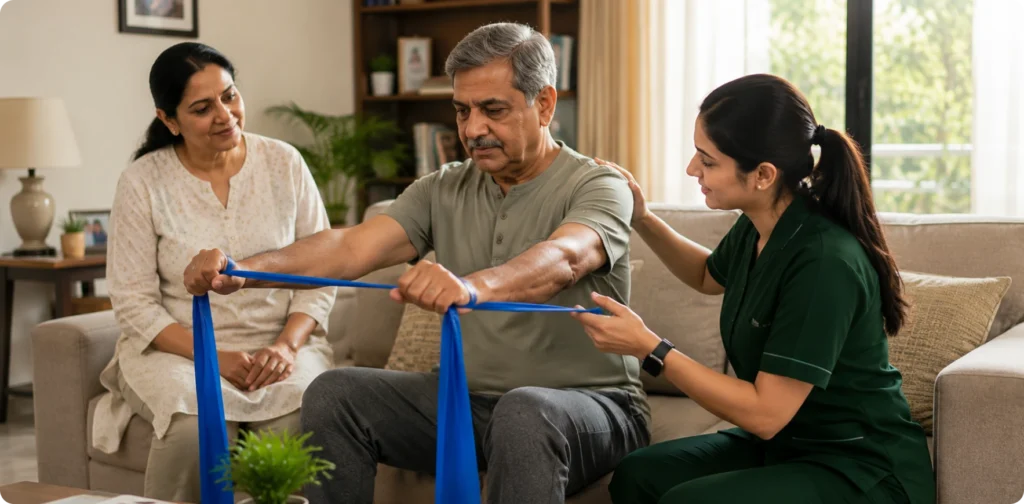
- Help maintain consistency with physiotherapy exercises
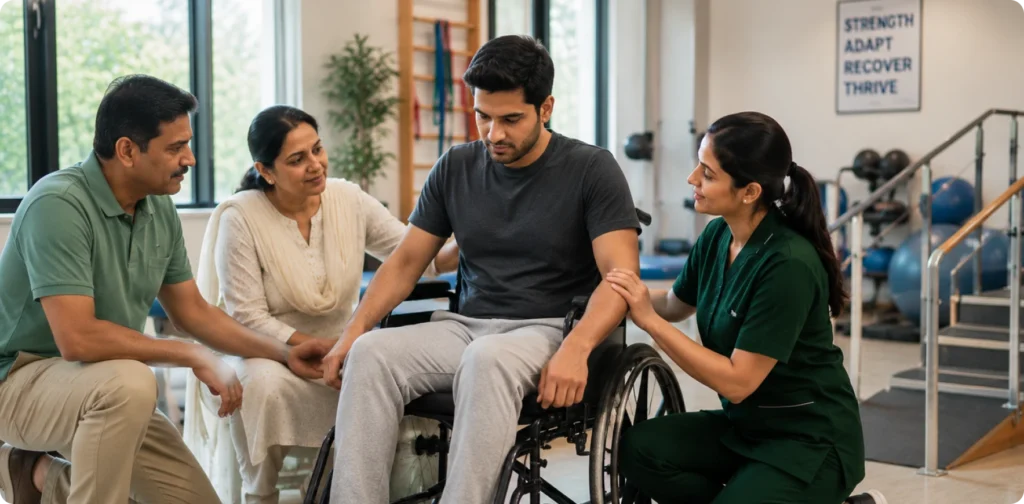
- Assist with mobility training (wheelchair use, transfers)
- Encourage participation in therapy sessions
- Support daily routines that build strength and independence
Consistency is more important than intensity—small efforts daily lead to progress.
3. Create a Safe and Accessible Environment
Adapting the home is essential for independence and safety.
Key Modifications
- Install ramps and handrails
- Use wheelchair-accessible furniture layouts
- Modify bathrooms (grab bars, shower chairs, anti-slip flooring)
- Ensure frequently used items are within easy reach
A well-adapted environment reduces dependency and boosts confidence.
4. Learn About Daily Care Needs
Spinal cord injury often requires ongoing care.
Areas to Focus On
- Skin care to prevent pressure sores
- Bladder and bowel management routines
- Proper positioning and posture
- Nutrition and hydration
Educating yourself ensures better care and fewer complications.
5. Encourage Independence
It’s natural to want to help—but too much assistance can slow recovery.
Balance is Key
- Allow them to perform tasks they are capable of
- Support, don’t take over
- Encourage decision-making and autonomy
Independence builds confidence and improves mental well-being.
6. Support Mental Health
Depression, anxiety, and frustration are common after SCI.
What You Can Do
- Watch for signs of emotional distress
- Encourage professional counseling if needed
- Promote social interaction and engagement
- Help them stay connected with hobbies and interests
Mental health is just as important as physical recovery.
7. Stay Involved in Medical Care
Being informed helps you provide better support.
Stay Updated On
- Treatment plans and progress
- Medications and side effects
- Follow-up appointments and therapy schedules
Attend consultations when possible to understand how you can assist better.
8. Take Care of Yourself as a Caregiver
Supporting someone else can be physically and emotionally demanding.
Self-Care Tips
- Take regular breaks
- Ask for help when needed
- Maintain your own health and routine
- Consider joining caregiver support groups
You can provide better care when you’re also taking care of yourself.
Final Thoughts
Supporting someone after a spinal cord injury requires patience, understanding, and consistency. While the journey may be challenging, the right support can help your loved one rebuild their life with confidence and dignity.
Focus on:
- Encouraging independence
- Providing emotional strength
- Supporting rehabilitation
- Creating a safe, accessible environment
Every small step forward is progress—and your support plays a vital role in that journey.
FAQs
Emotional support works best when it balances patience with encouragement: listen without judgment, avoid excessive sympathy that can feel disempowering, and instead celebrate small steps forward. Being present and consistent, while respecting the person’s own drive toward independence, helps more than trying to fix or minimise what they’re feeling.
Regular repositioning is essential to protect the skin from pressure sores, since reduced or absent sensation and mobility increase this risk significantly. As a general guide, someone in bed is typically repositioned roughly every two hours and, if using a wheelchair, pressure is usually relieved even more frequently; the exact schedule should follow the care team’s specific recommendation for that individual.
Practically, most families need to adapt ramps or handrails for step-free access, rearrange furniture for wheelchair-friendly pathways, and modify the bathroom with grab bars, a shower chair and anti-slip flooring. It’s worth starting this preparation as soon as possible after the injury, since even simple changes make a real difference to safety and independence once the patient is home.
Muscle spasms and nerve pain after a spinal cord injury are usually managed with a combination of prescribed medication, positioning, stretching and physiotherapy, tailored to the individual by the treating clinical team. Families should follow the specific plan given by the care team and report any new or worsening symptoms rather than adjusting management on their own.
Certain signs after a spinal cord injury need urgent medical attention, including autonomic dysreflexia symptoms such as a sudden pounding headache, flushing and sweating with a spike in blood pressure, sudden severe or new pain, signs of infection, breathing difficulty, or a marked worsening in weakness or numbness. Any of these warrant contacting the medical team or emergency services immediately rather than waiting.
The first month after a spinal cord injury often brings significant physical, emotional and practical challenges as the family adjusts alongside the patient. Expect a period of active rehabilitation combined with emotional adjustment and considerable changes to daily routines and the home environment, all of which take time to settle into.