
A place to recover, one visit at a time

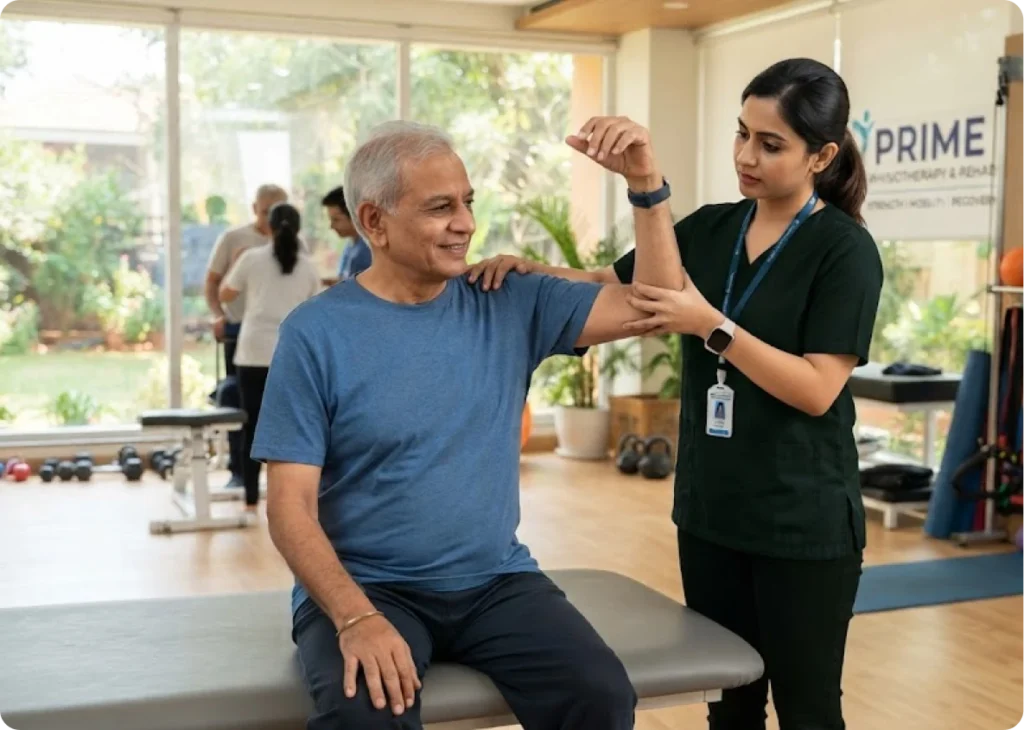
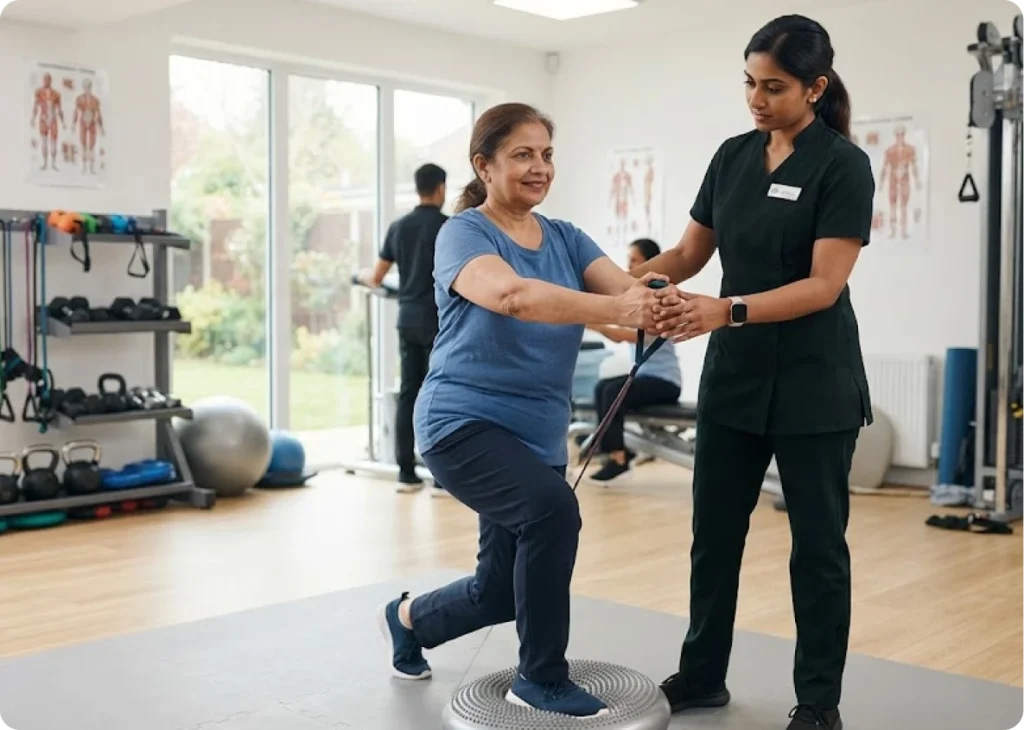
When recovery after a stroke, injury or major surgery no longer needs a hospital bed, outpatient rehabilitation brings therapy, review and expert guidance into scheduled visits.

Who Outpatient Rehabilitation Helps

Outpatient rehab suits those living at home but still needing regular, structured therapy sessions.

Structured Therapy Support

People who need expert therapy but are safe and settled at home.
Continued Therapy

People needing scheduled weekly therapy sessions for recovery.

Return to Routine

People who are ready to rebuild strength while living at home.

Home exercises work for some. Guided therapy achieves more.

Therapy On Schedule

Several sessions a week, working to one plan, rather than exercises done alone at home.

Clinical & Medical Review

Medical and clinical review between visits, not only during your sessions.

Specialised Equipment

Equipment and skilled supervision that a home cannot safely provide.

Measured Progress Tracking

A team that measures progress every visit and adjusts the plan as you improve.

A word to families

Choosing outpatient care is not settling for less in recovery. It is making sure the weeks after discharge get the skill and attention they deserve, with you involved at every visit. And if you are unsure, talk to us. We will give you an honest answer, even if that answer is that a residential stay is safer.

What to expect during your programme

From your very first assessment, your care is guided by a personalised recovery plan designed around your condition, goals and progress. Here’s what you can expect throughout your outpatient journey.

Helpful Answers for Patients and Families

How many outpatient therapy sessions per week does a patient usually need?
Session frequency is set individually rather than following one fixed number, but outpatient therapy at Dexterity is generally built around several sessions a week working to one coordinated plan, rather than isolated visits. Frequency is reviewed regularly and adjusted as progress is monitored, often reducing as the patient becomes more independent, so it’s confirmed with the team based on the specific condition and goals during assessment.
For many medically stable patients, outpatient rehabilitation is a genuine option rather than a lesser one, and it can achieve strong results through structured, supervised sessions. That said, some patients recover more safely with the closer supervision of a residential stay, so the team gives an honest recommendation on which setting suits each person’s needs.
Yes, patients can move between residential and outpatient care as their needs change. Discharge from residential care includes a structured plan with guidance for continuing exercises at home, support for family and caregivers, and access to outpatient follow-up sessions, so the transition is planned rather than abrupt.
Yes, home exercise guidance is part of the plan, particularly as patients progress or approach discharge. However, the emphasis at Dexterity is that structured, supervised sessions using proper equipment and expert guidance generally achieve more than exercises done alone, so home exercises are used to reinforce, not replace, guided therapy.
There is no single timeline, since progress depends on the individual’s condition, its severity, and how consistently sessions are attended. Rather than promising a fixed schedule, the team reviews progress regularly against the plan and discusses openly with the patient and family how recovery is tracking over the weeks.
The outpatient programme is designed for people living at home who still need regular, structured therapy, so scheduling is built to work around real-life commitments where possible. The best way to confirm suitable slots around work, school or caregiving is to discuss your availability directly with the Dexterity team when arranging sessions.

Expert Therapy. Meaningful Recovery.

From weekly therapy to specialist review, outpatient rehabilitation provides the care and guidance needed for a safer, more effective recovery journey.