
Structured rehabilitation that rebuilds strength safely while the operated area heals.
Leaving surgery is the start of recovery, not the end, and this is the phase where the right support matters most.
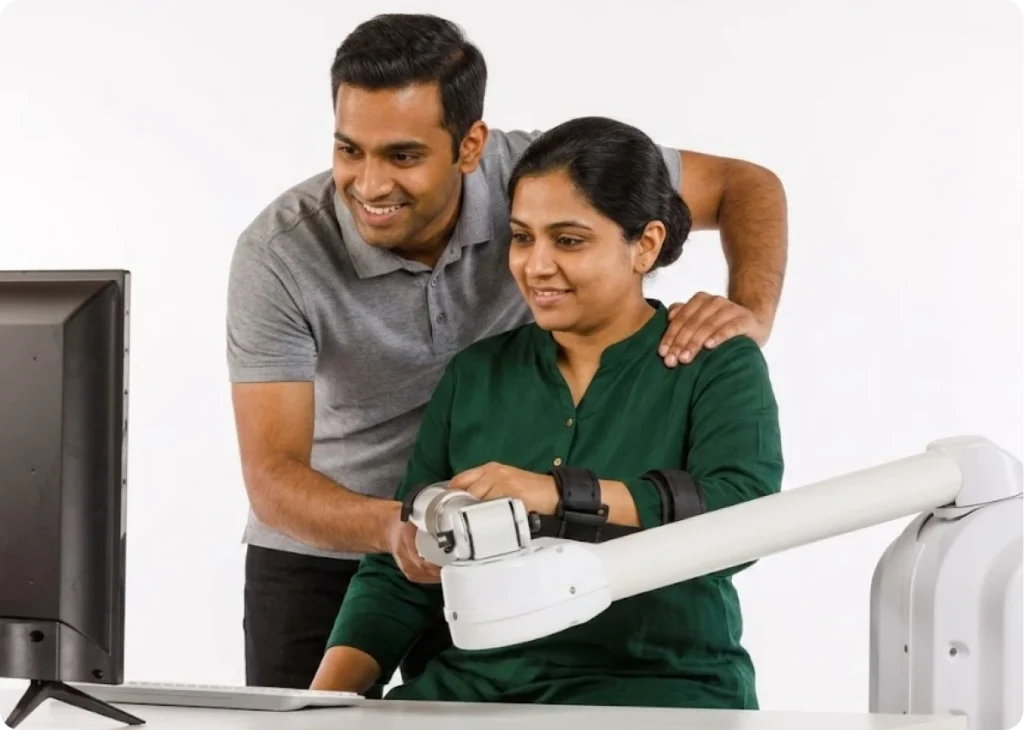
For recovering movement, thinking and daily function after brain surgery.
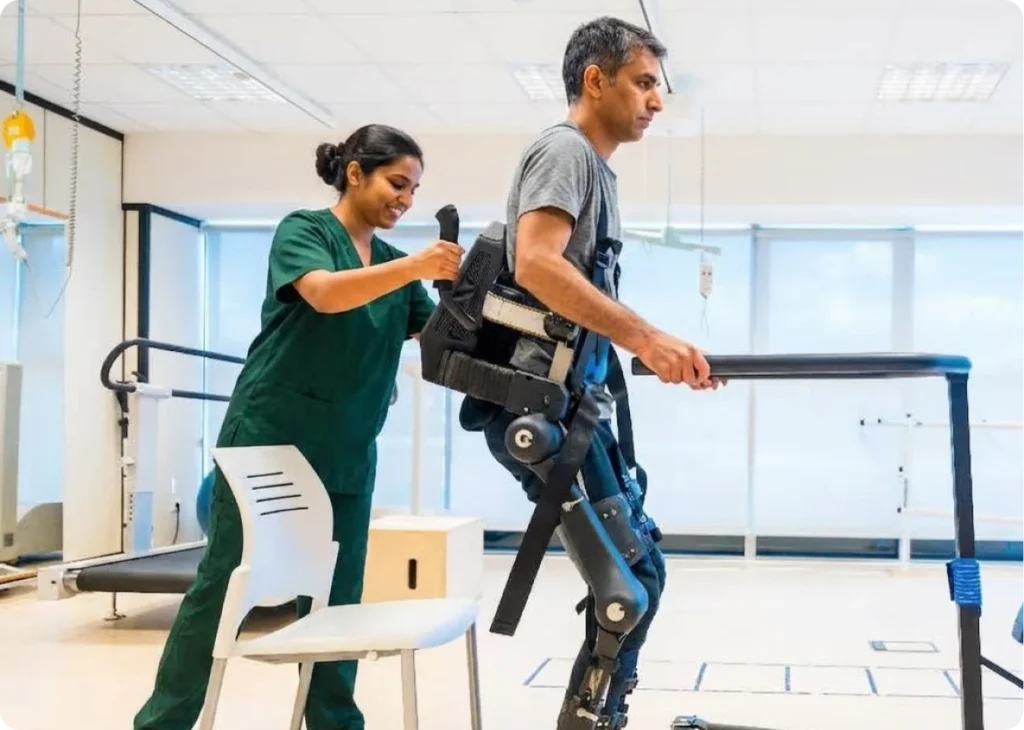
For rebuilding strength, mobility and safe movement after spinal surgery.
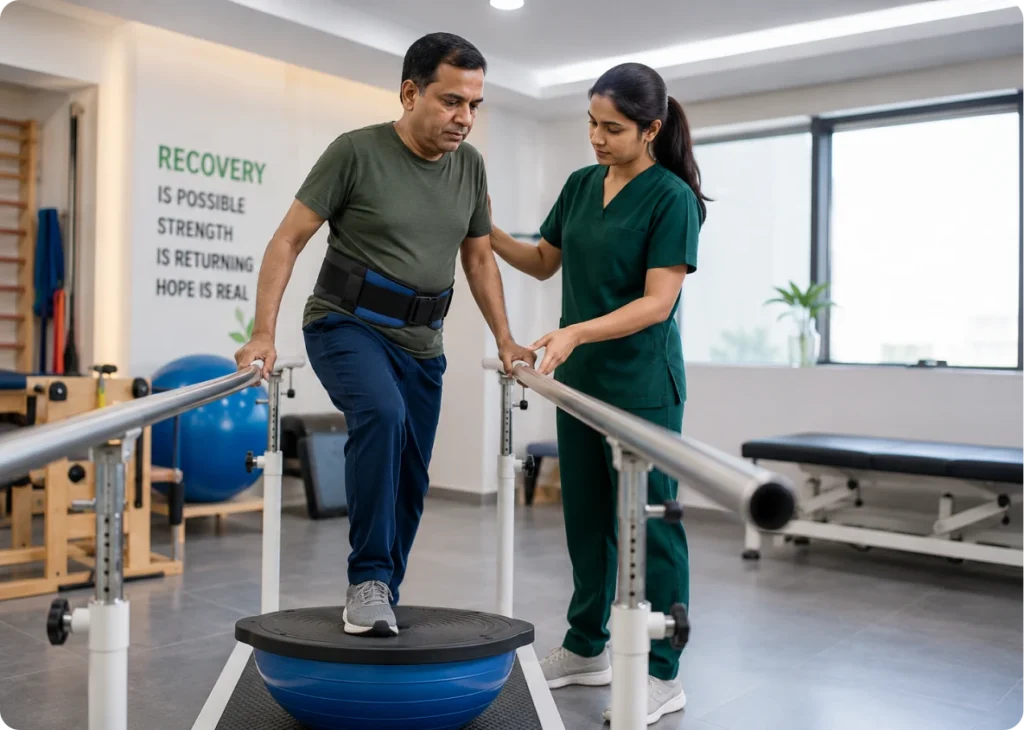
For patients recovering after surgery for a brain or spinal tumour.
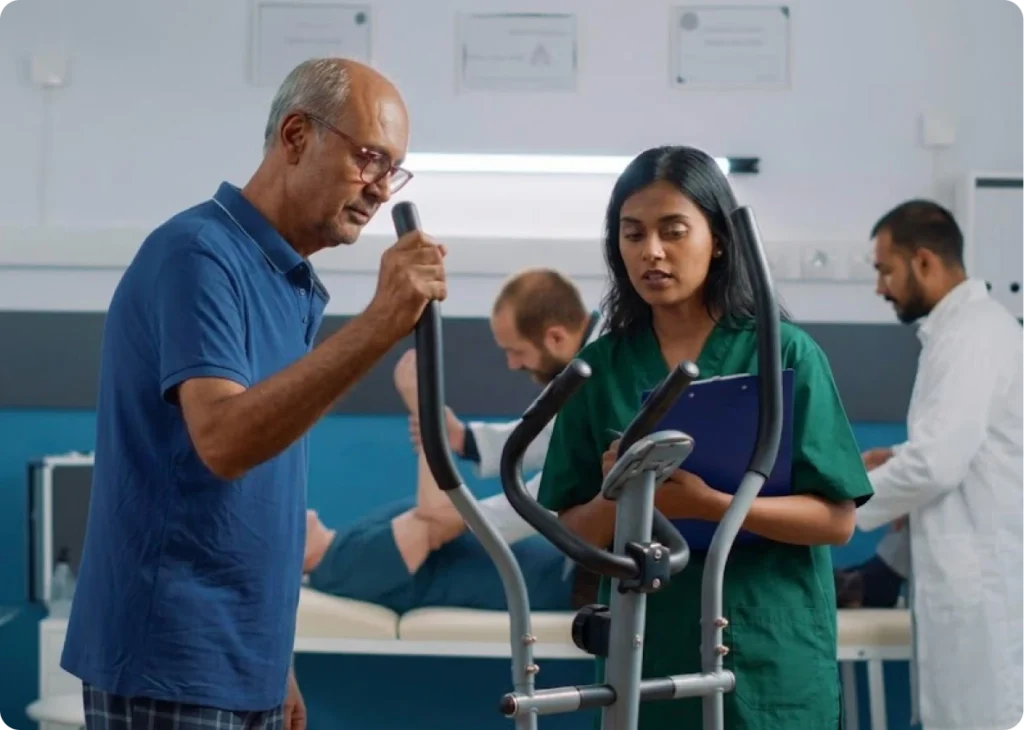
For rebuilding endurance and confidence after time in hospital.
For those working back towards everyday tasks and routines.
For patients recovering after surgery for a brain or spinal tumour.
Therapy is built around play and development, helping your child gain movement, communication and everyday skills at their own pace.
A full assessment of movement, strength, balance, thinking and daily function.
Physiotherapy to build strength, posture, balance and movement.
Retraining daily tasks, hand function and independence.
Support where thinking, memory, speech or swallowing is affected.
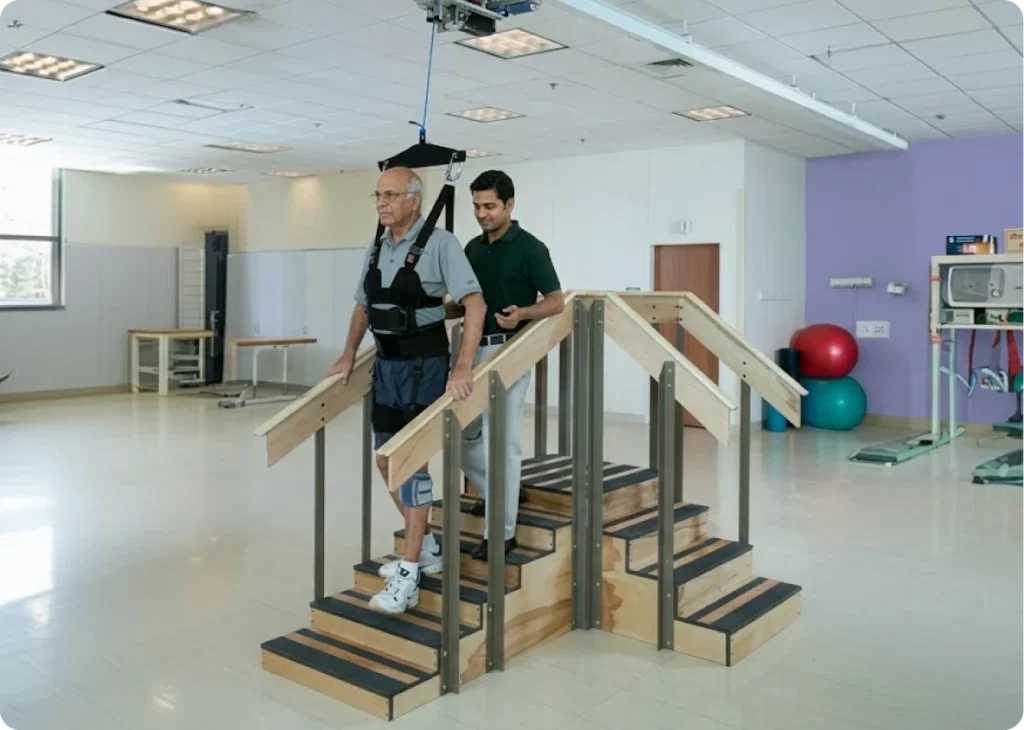
Technology-assisted therapy to support safe, guided movement.
Post-surgical nursing, wound care and medical monitoring.
HOW WE WORK
Your plan is led and reviewed by senior clinicians, and your therapists, nurses and doctors work to the same plan rather than in separate departments. We review progress regularly and change the plan as you change.
Rehabilitation starts as soon as it’s medically safe, often immediately after surgery rather than waiting for full recovery. Once a patient is stable, physiotherapy, occupational therapy, nursing and, where needed, cognitive and speech therapy begin as part of a structured plan to rebuild movement, strength, balance and independence.
Fatigue after brain surgery is very common because the brain uses significant energy to heal, and anaesthesia, medication, disrupted sleep and the cognitive effort of relearning tasks all add to it. For most patients this fatigue gradually eases over weeks to months as recovery progresses, though the pace varies from person to person.
Yes, many patients see real improvement in memory, speech and concentration with dedicated cognitive and speech therapy, which is offered as part of the recovery programme when thinking, memory, speech or swallowing has been affected. Recovery is individual, and the team is honest that it cannot promise a fixed result or timeline, only a clear plan and steady progress tracking.
Specific movement restrictions after spinal fusion depend on the surgeon’s protocol for that procedure, but general precautions typically include avoiding excessive bending, lifting and twisting during the initial healing period. Dexterity’s physiotherapy and occupational therapy team builds movement and functional retraining around the surgeon’s guidance, gradually increasing activity as healing allows.
Some patients do have an increased seizure risk in the period following brain surgery, depending on the type and location of the procedure, and this is something the treating neurosurgical team manages, often with medication where appropriate. During rehabilitation, therapy is planned with this risk in mind and sessions are supervised so any concerns can be responded to quickly.
There is no single timeline for returning to driving or work after brain or spinal surgery, as it depends on the specific procedure, how recovery is progressing physically and cognitively, and clearance from the treating doctor. This is typically judged case by case over weeks to months, informed by assessments and honest progress discussions rather than a fixed date.