
Whatever your level of injury, our focus is the same: more strength, more function and more independence than the day you arrived.
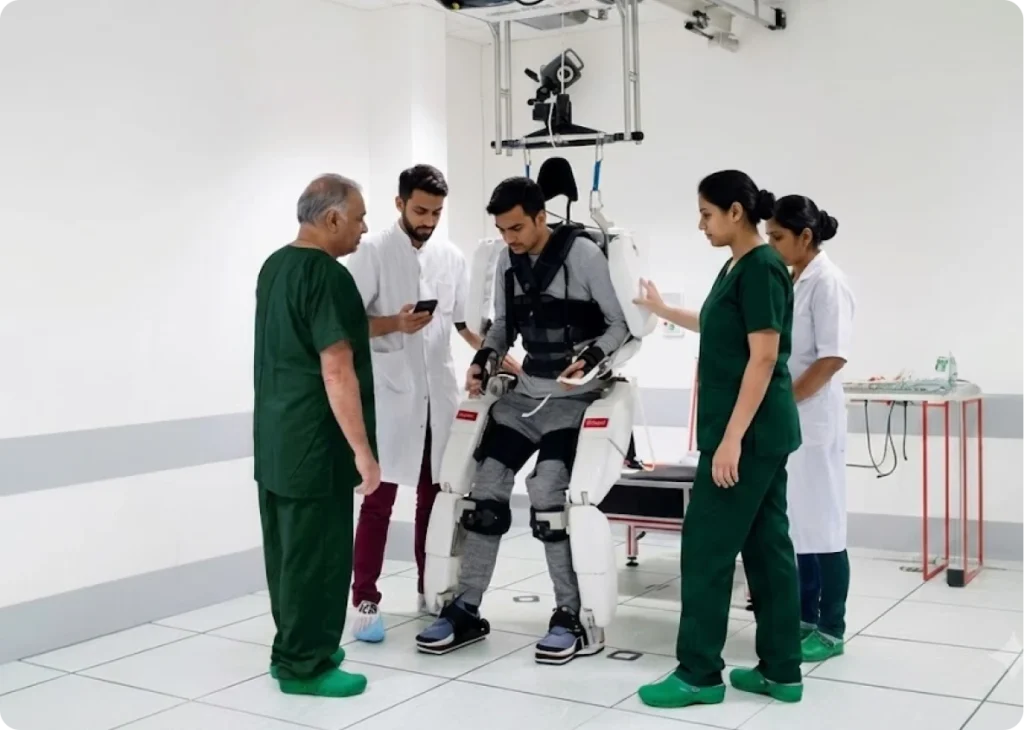
For those recovering from complete or incomplete spinal cord injury.
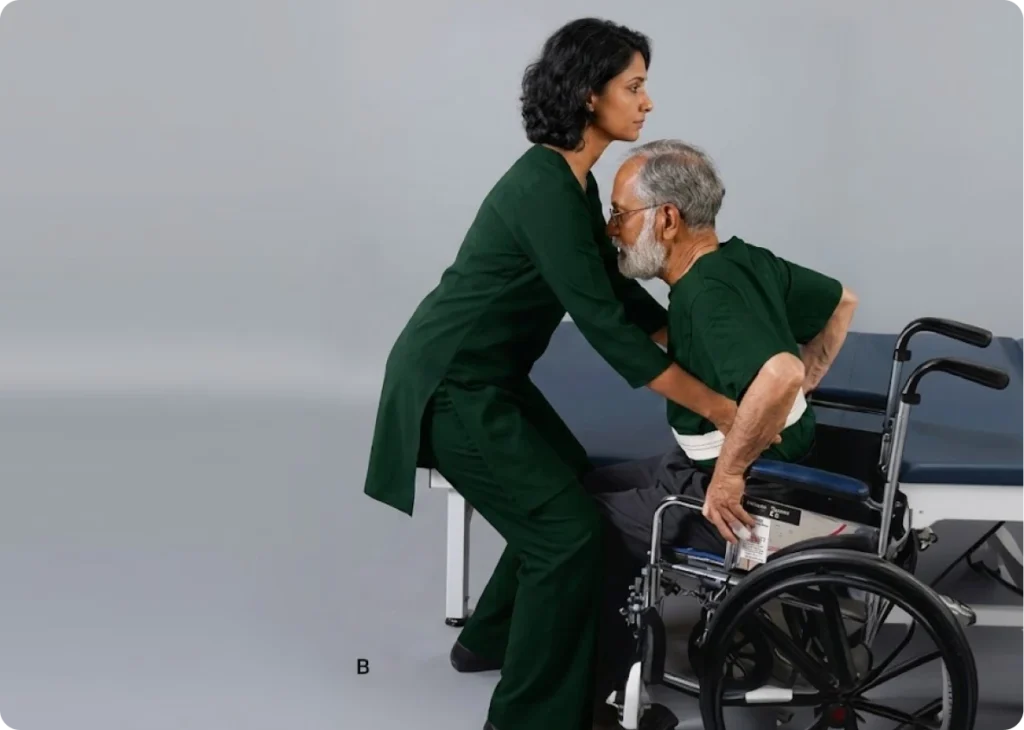
For rebuilding movement, transfers and safe use of a wheelchair.
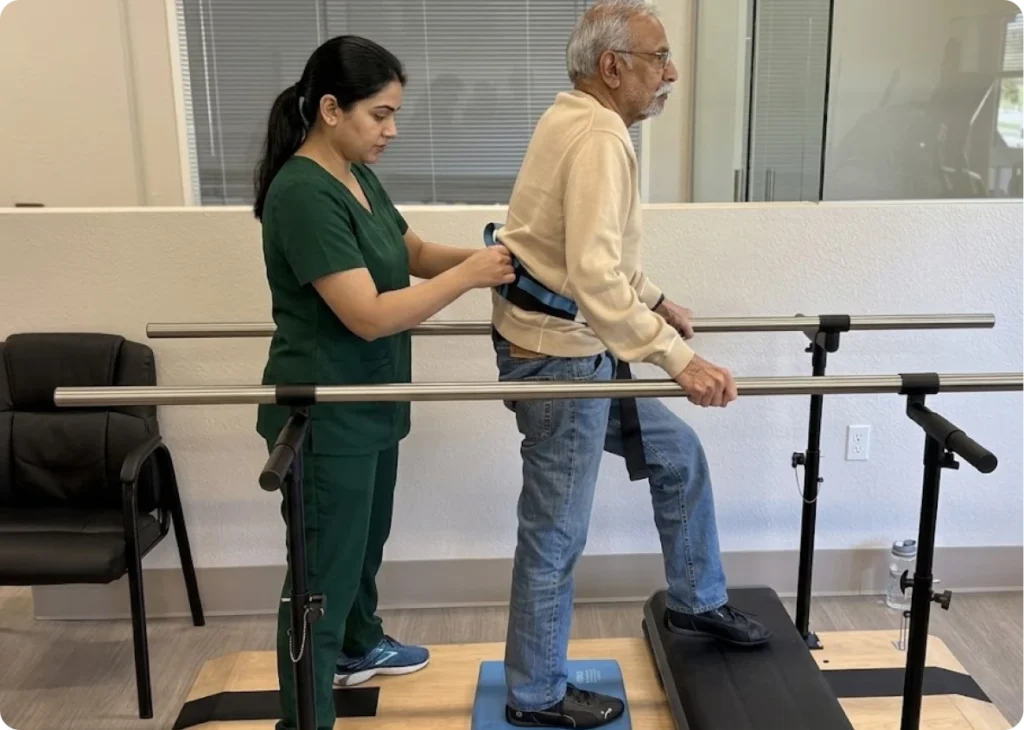
For those working towards standing and supported walking again.
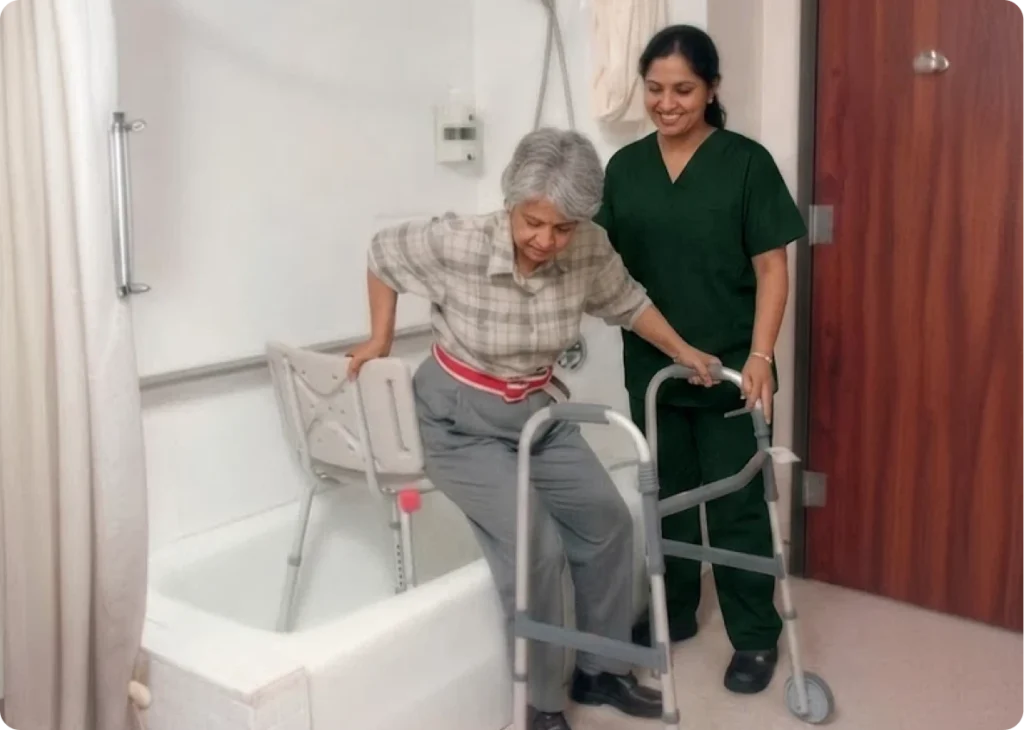
For managing daily routines and regaining independence in personal care.

For rebuilding arm, hand and core strength for everyday tasks.
For those working towards standing and supported walking again.
Therapy is built around play and development, helping your child gain movement, communication and everyday skills at their own pace.
A full assessment of movement, strength, sensation and daily function.
Physiotherapy to build strength, mobility and functional movement.
Retraining transfers, wheelchair skills and independence in daily tasks.
Supported standing and walking practice where movement allows.
Robot-assisted gait and movement training to support recovery.
Nursing care including bladder, bowel and skin management.
HOW WE WORK
Your plan is led and reviewed by senior clinicians, and your therapists, nurses and doctors work to the same plan rather than in separate departments. We review progress regularly and change the plan as you change.
A complete spinal cord injury means there is no motor or sensory function preserved below the level of injury, while an incomplete injury means some movement, sensation or both remain, to varying degrees. This distinction matters for rehabilitation planning, since incomplete injuries generally carry a wider range of functional recovery potential, though every patient’s course is individual.
Whether a person with a spinal cord injury walks again depends heavily on the level and completeness of the injury; many people with incomplete injuries regain meaningful walking ability with intensive rehabilitation, including gait retraining and robot-assisted movement training, while complete injuries make unaided walking less likely. Rather than promising a fixed outcome, the focus is on maximising each patient’s strength, function and independence through an honest, individualised plan.
Bladder and bowel function is managed through a structured nursing program that may include scheduled catheterisation and bowel routines, close monitoring, and skin and hygiene care. Over time, the nursing team also teaches patients and families how to manage these routines safely themselves, which is an important part of regaining independence after discharge.
Pressure sores are prevented through regular repositioning schedules, careful skin checks, pressure-relief cushions and mattresses, and good nutrition, all of which are part of the nursing care included in spinal cord injury rehabilitation. If any skin breakdown does occur, it is treated promptly to prevent infection or further tissue damage.
Autonomic dysreflexia is a sudden, dangerous spike in blood pressure that can occur in people with spinal cord injuries at or above the T6 level, usually triggered by an irritating stimulus below the injury, such as a full bladder, bowel impaction or skin irritation. It is treated as a medical emergency because, if the underlying cause is not identified and resolved quickly, it can lead to seizures, stroke or other serious complications.
Before discharge, the rehabilitation team carries out a home assessment tailored to the patient’s specific mobility level and injury, which typically identifies changes such as ramps or level entryways, wider doorways for wheelchair access, an adapted bathroom with grab bars, and a suitably positioned bed. Because every patient’s needs differ, this assessment-led approach means recommendations are matched to the individual rather than a generic checklist.