
A structured, clinician-led approach to healing, comfort and safe recovery after surgery at home.
Every recovery looks different. We support people healing after surgery at different stages of their recovery journey.
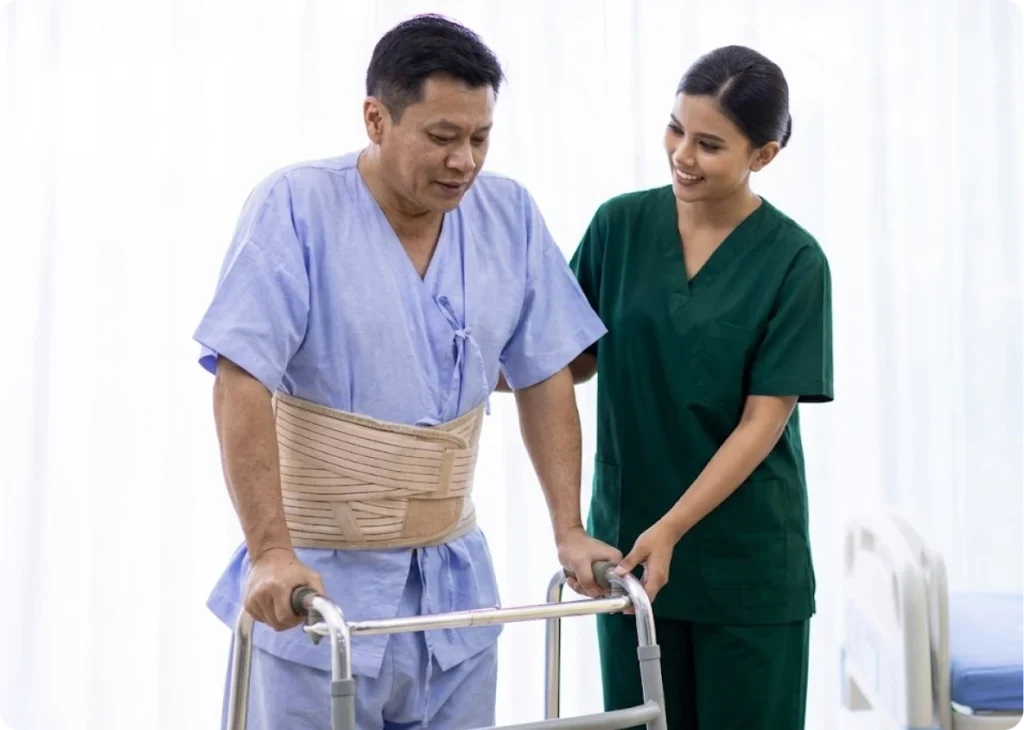
For those recovering from joint replacement or bone surgery.
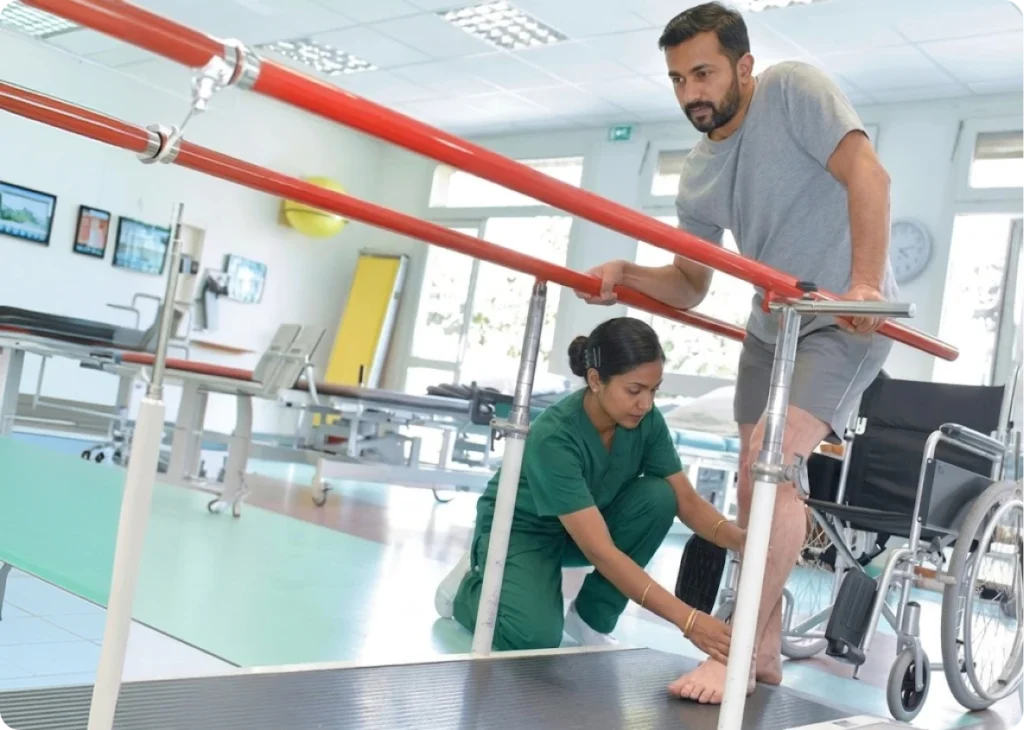
For people healing after abdominal, cardiac or general procedures.
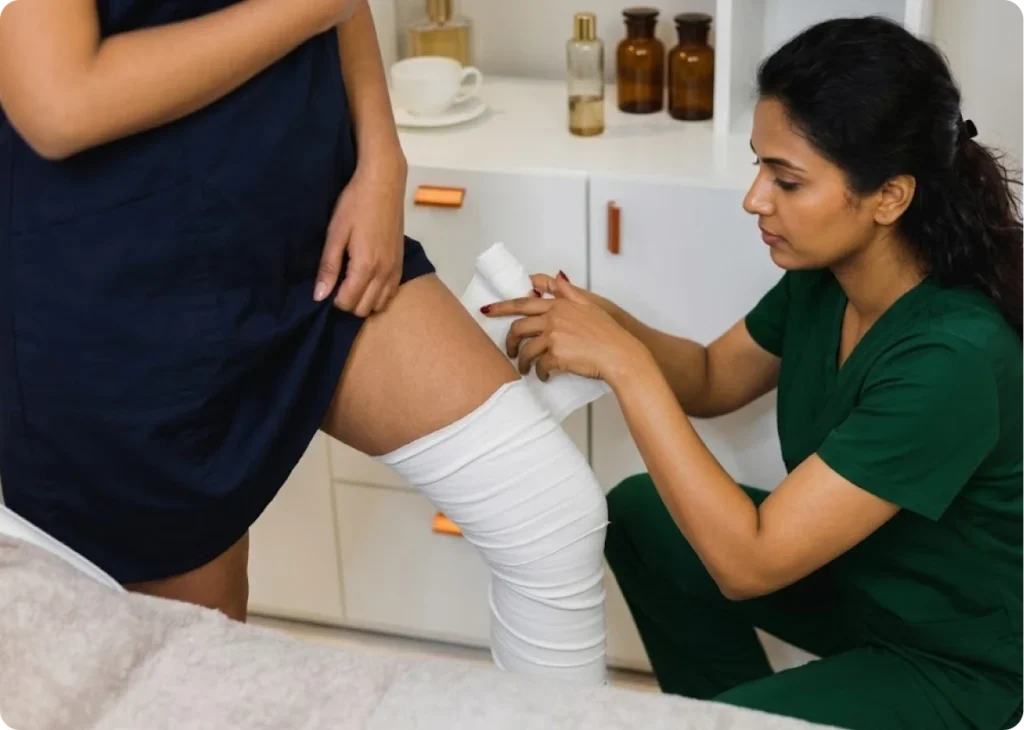
For those needing skilled wound, dressing and drain management.
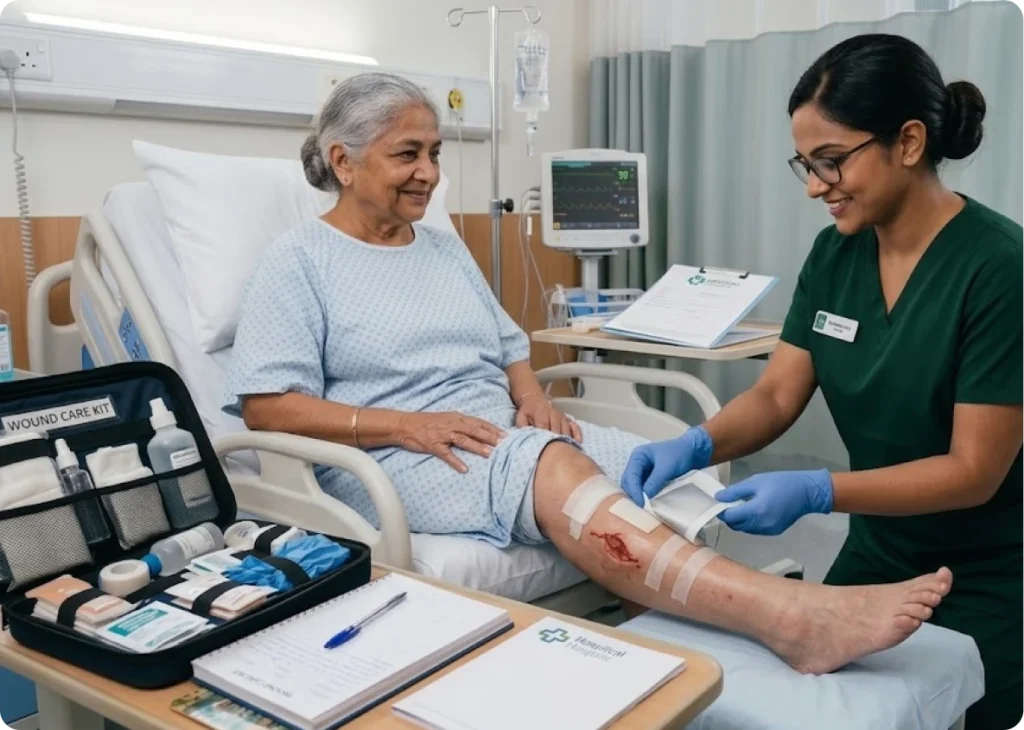
People needing pain relief and a guided return to movement.
For those at risk of post-surgical infection or setbacks.
For those needing skilled wound, dressing and drain management.
Your care combines clinical expertise, therapy and ongoing support, all working towards the abilities and independence you want to rebuild.
Care that follows your surgeon's post-operative instructions closely.
Skilled wound, dressing and drain management at home.
Managing pain and medication for a comfortable recovery.
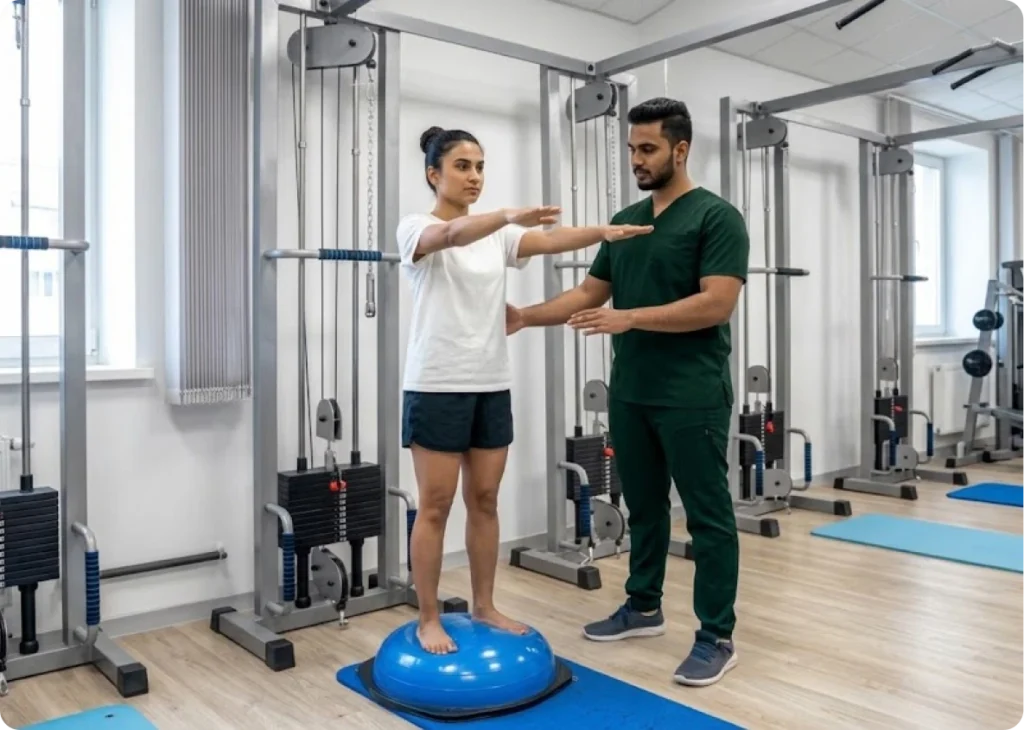
A guided, gradual return to safe movement and activity.
Close monitoring for early signs of infection or complications.
Coordinating follow-up appointments with your surgical team.
HOW WE WORK
Your plan is led and reviewed by senior clinicians, and your therapists, nurses and doctors work to the same plan rather than in separate departments. We review progress regularly and change the plan as you change.
Post-operative care focuses on the immediate days and weeks after surgery, covering wound and incision care, pain management, guided mobility, infection monitoring and follow-up coordination under a surgeon-led plan. Rehabilitation is typically broader and longer-term, focused on rebuilding strength, function and independence once the surgical site has stabilised, and the two often overlap and flow into one another.
Movement after surgery is encouraged early and gradually, guided by the surgical team’s specific instructions for the procedure performed. In general, safe, supervised mobilisation soon after surgery helps reduce complications like clots and chest infections, and Dexterity’s approach is described as a guided, gradual return to safe movement and activity rather than either strict bed rest or rushing recovery.
Yes, wound, dressing and drain management is a core part of Dexterity’s post-operative care programme, so patients do not need to remain in hospital purely for these needs. Staples, sutures and dressing changes are handled by trained clinical staff as part of a coordinated care plan, whether the patient is being cared for residentially or as an outpatient.
Complication prevention relies on close clinical monitoring for early signs of infection or other issues, combined with guided early mobility, positioning and pain control that support circulation and lung function. Regular nursing checks and a surgeon-led plan mean concerns such as clots, chest infections or skin breakdown can be caught and addressed early rather than after they become serious.
Yes, in most cases. Dexterity’s post-operative care programme, delivered residentially or as an outpatient, includes nursing support for patients with a catheter, drain or feeding tube as part of the recovery plan. Because clinical needs vary case by case, the exact scope is confirmed during the initial assessment before admission.
Families should watch for warning signs such as fever, increasing redness, swelling, warmth or discharge from the wound, worsening rather than easing pain, breathlessness, calf pain or swelling, sudden confusion, or a wound that opens up. Any of these should be reported to the medical or care team promptly rather than waiting for the next scheduled review.
Recovery after your surgery takes time and differs greatly from person to person. We give you a clear plan, skilled care and an honest view of progress at every stage.